Riddle Trees (Part 7) by HENRY HU
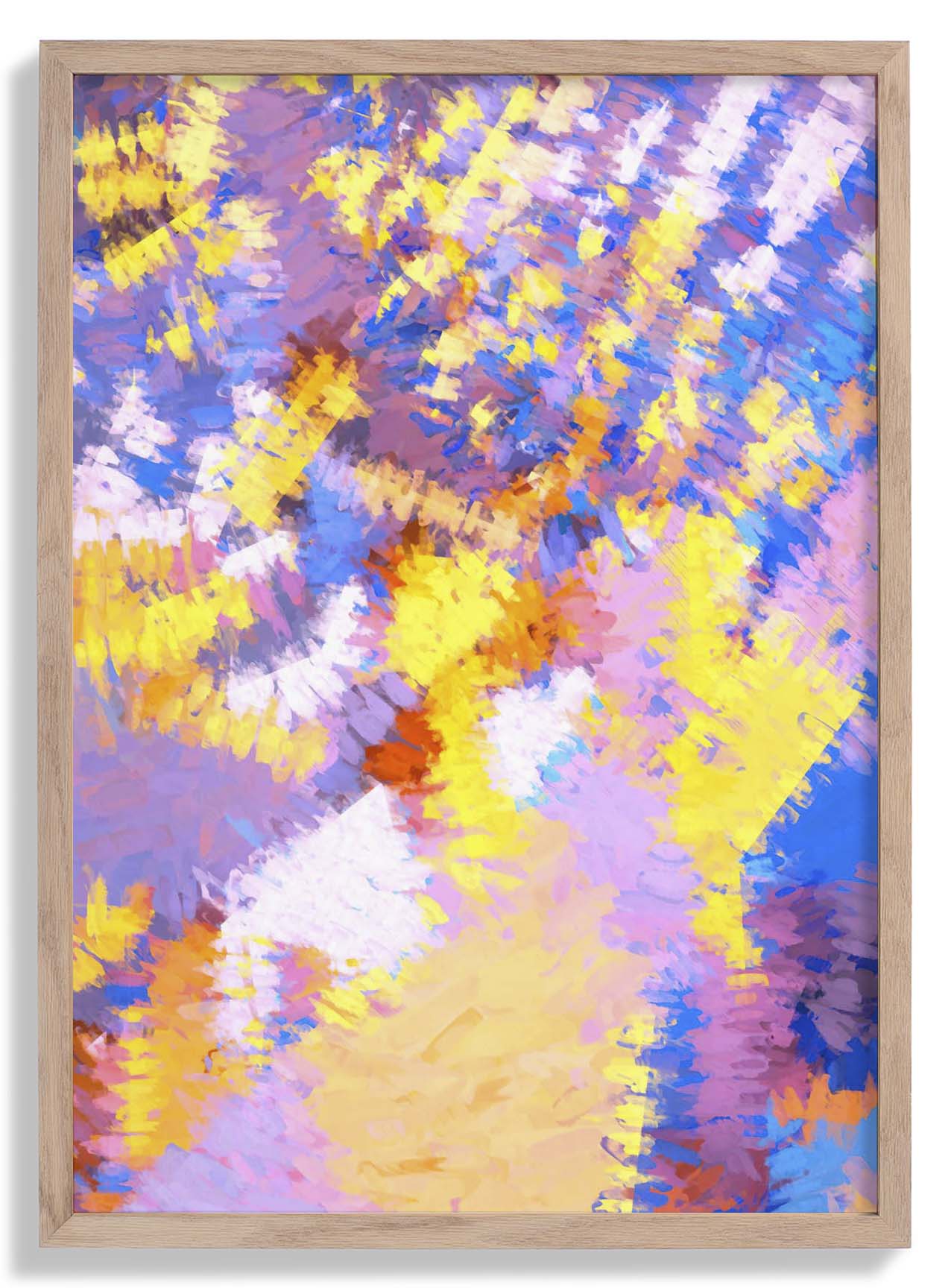
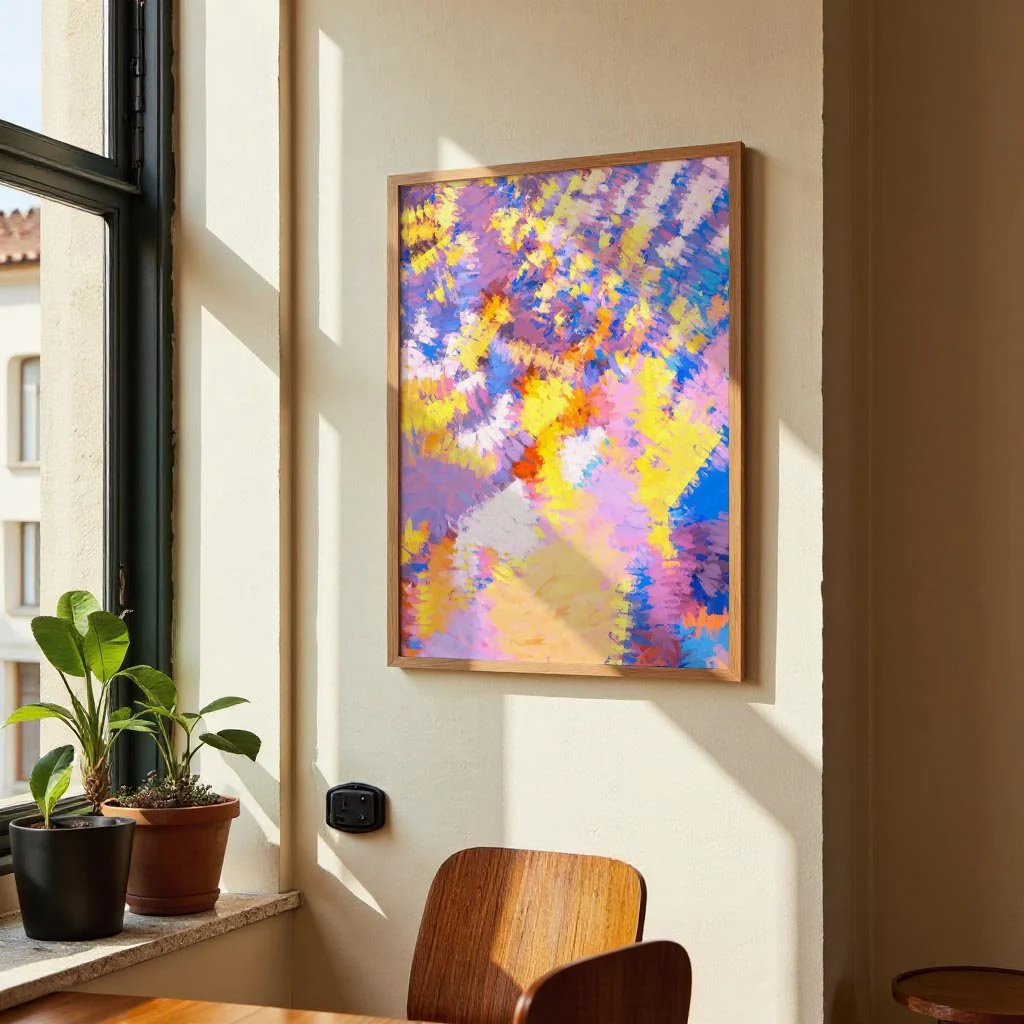
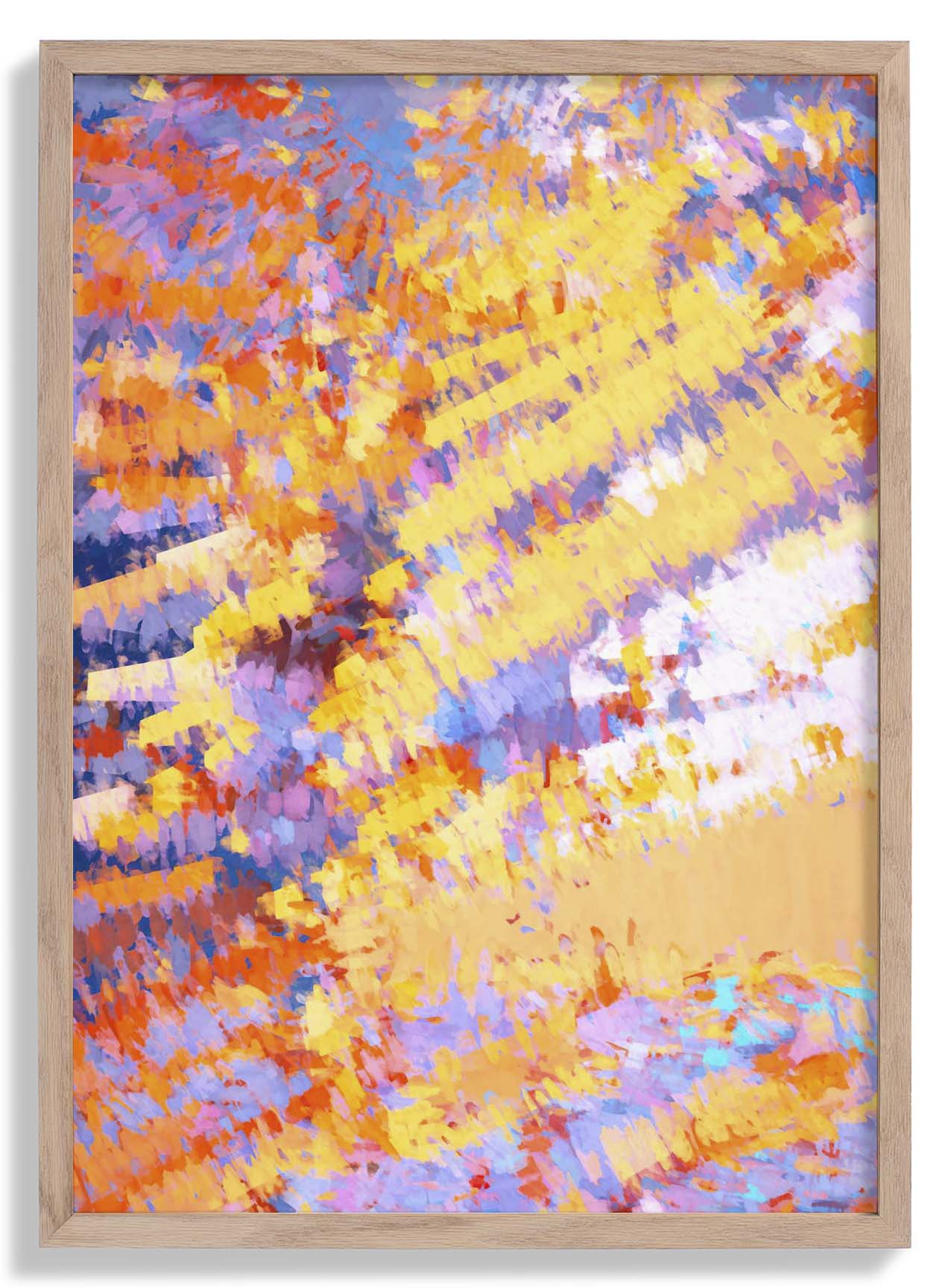
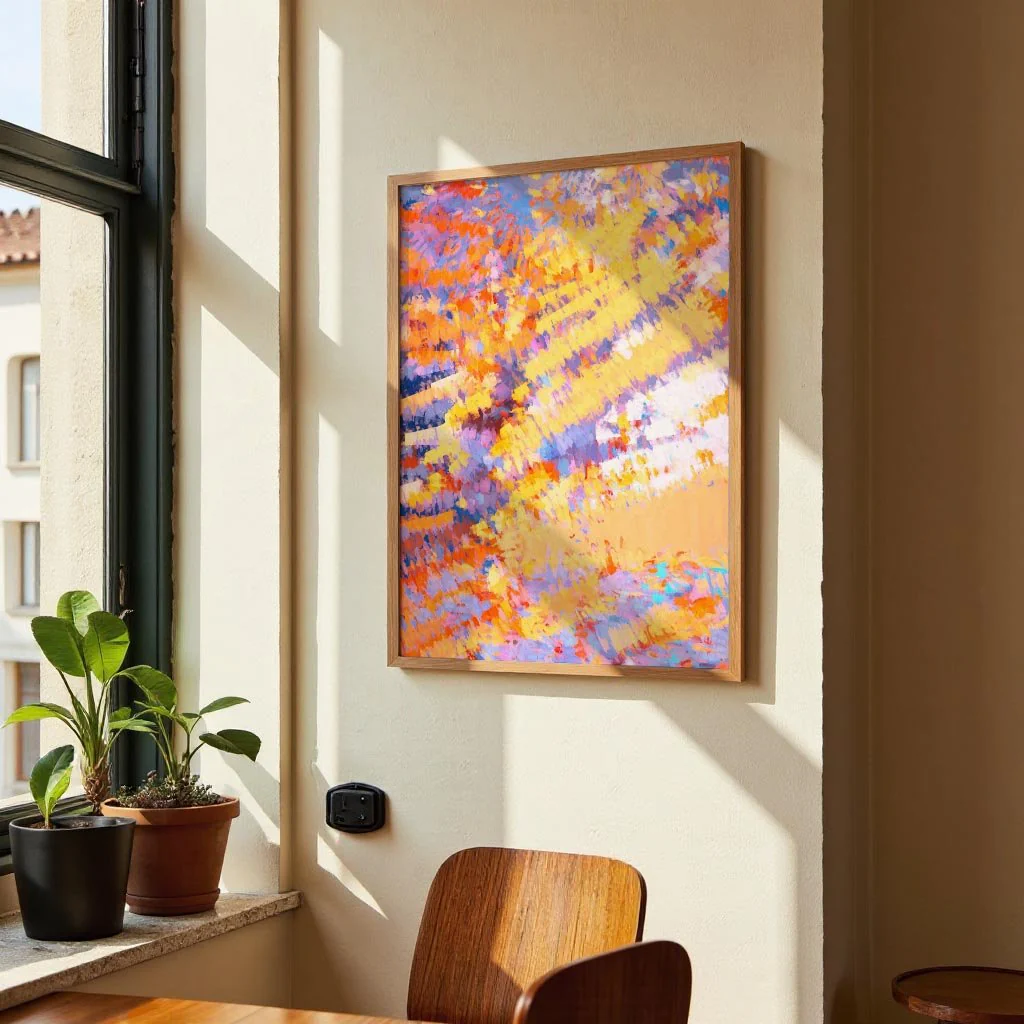
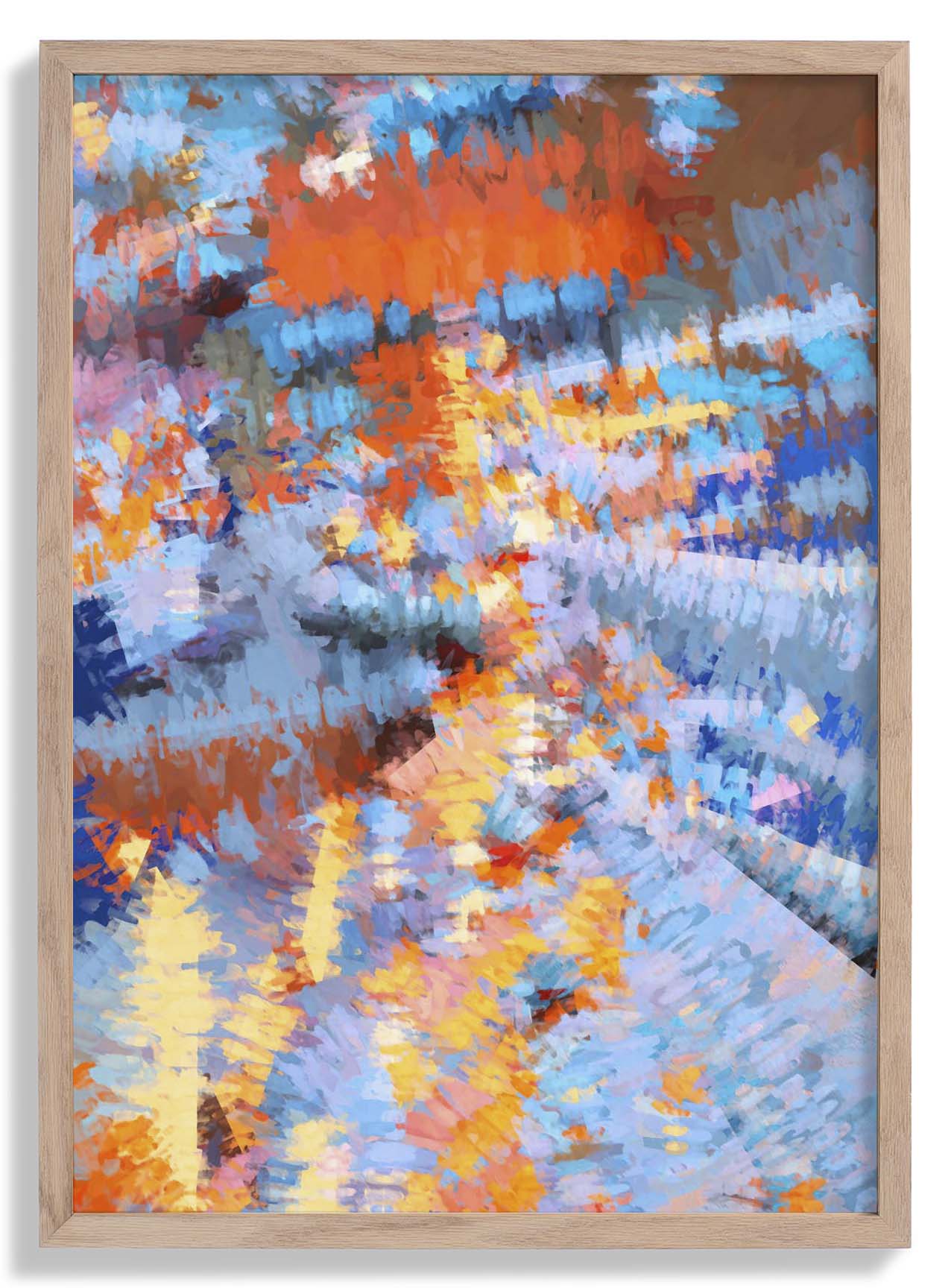
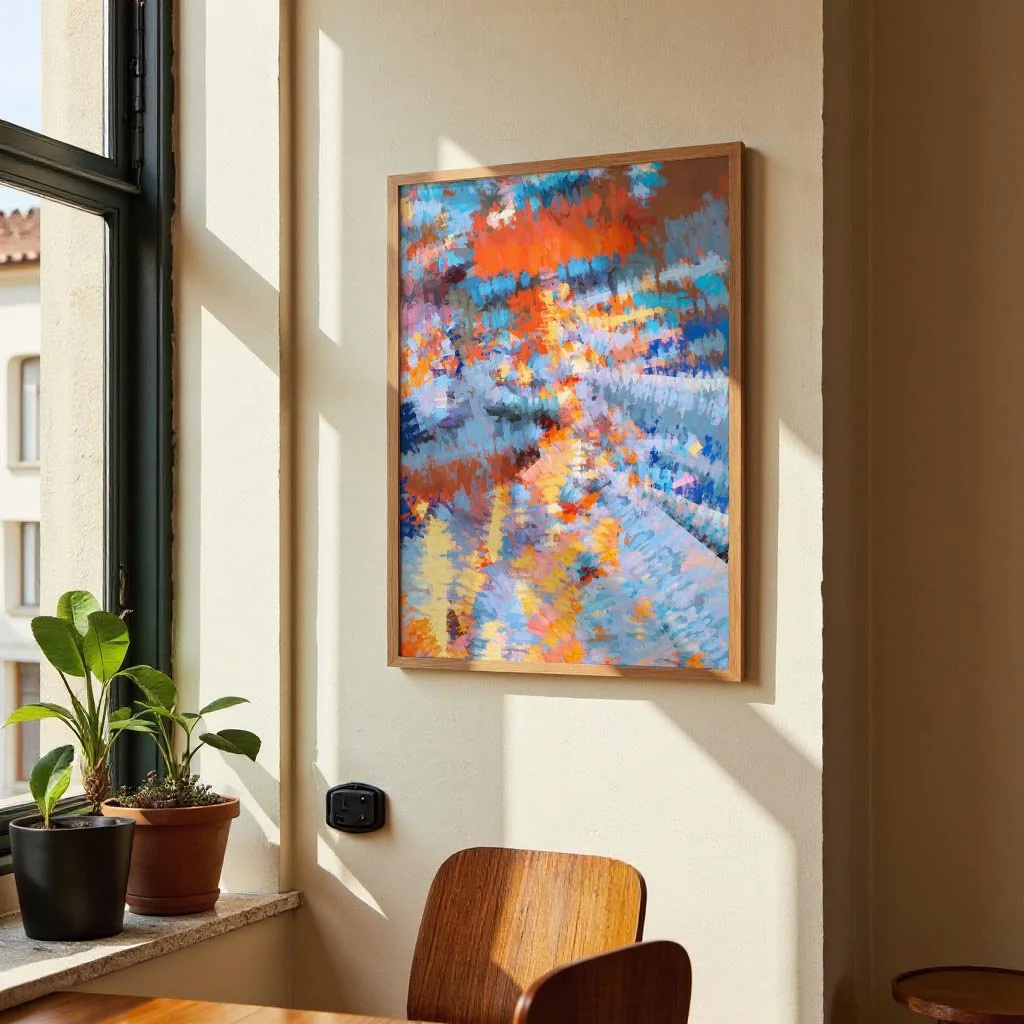
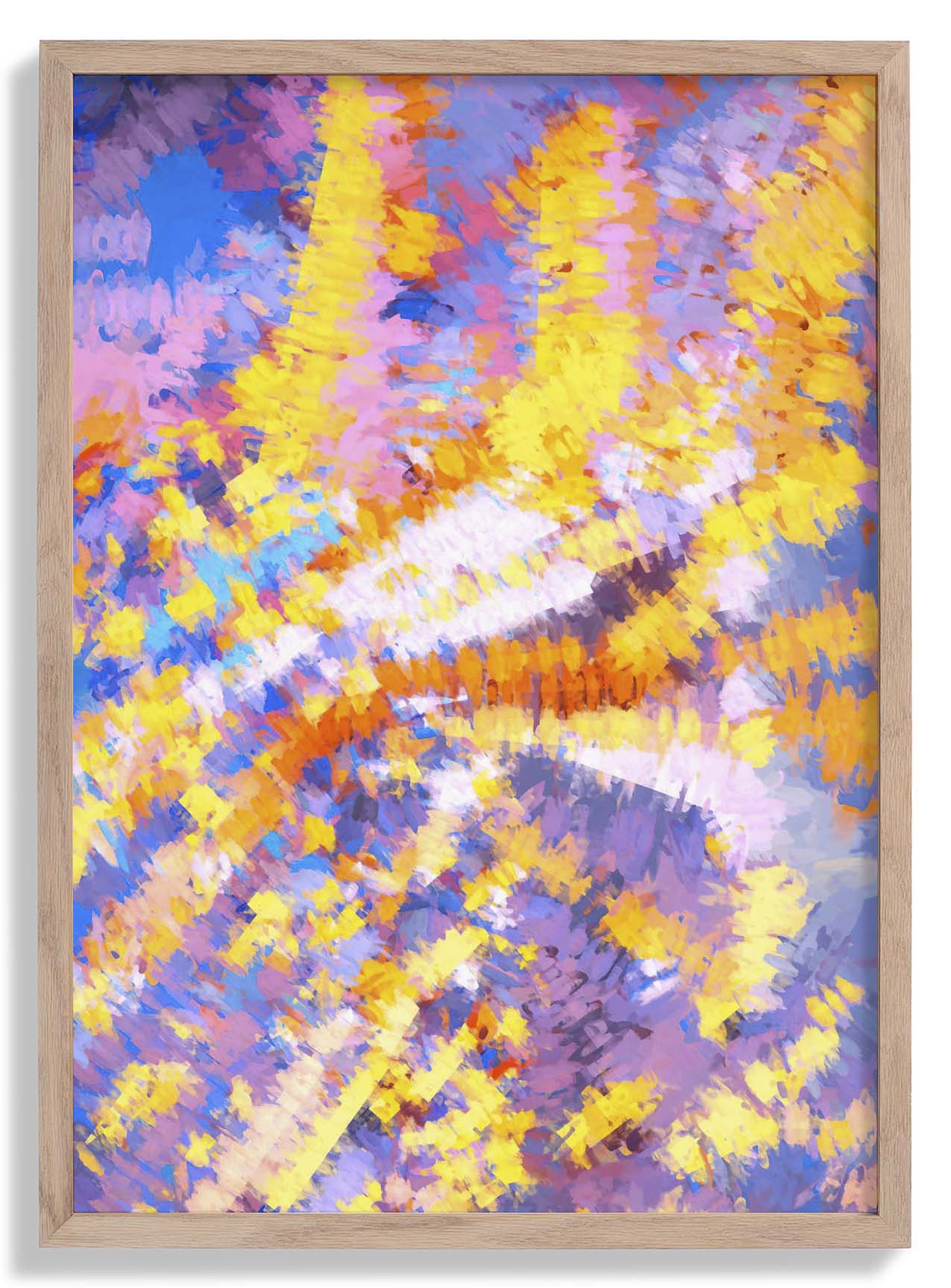
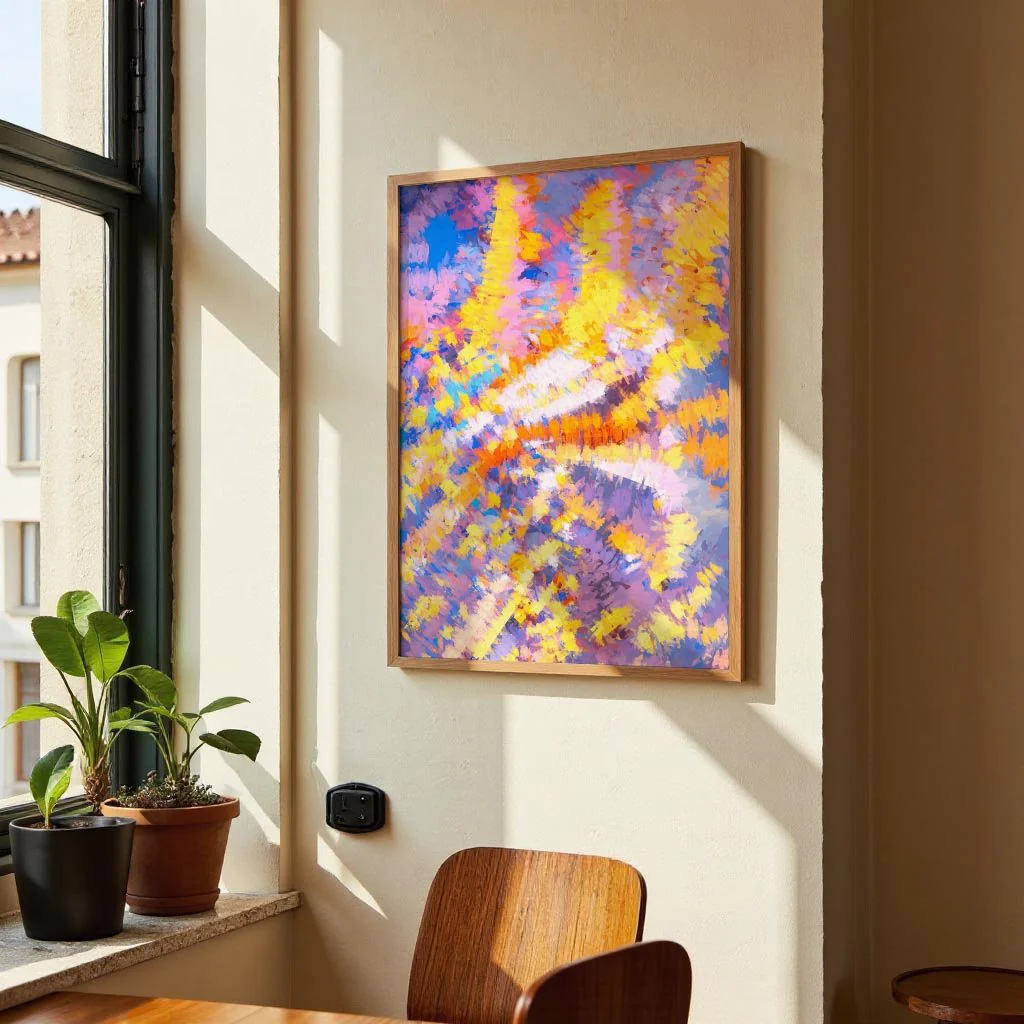
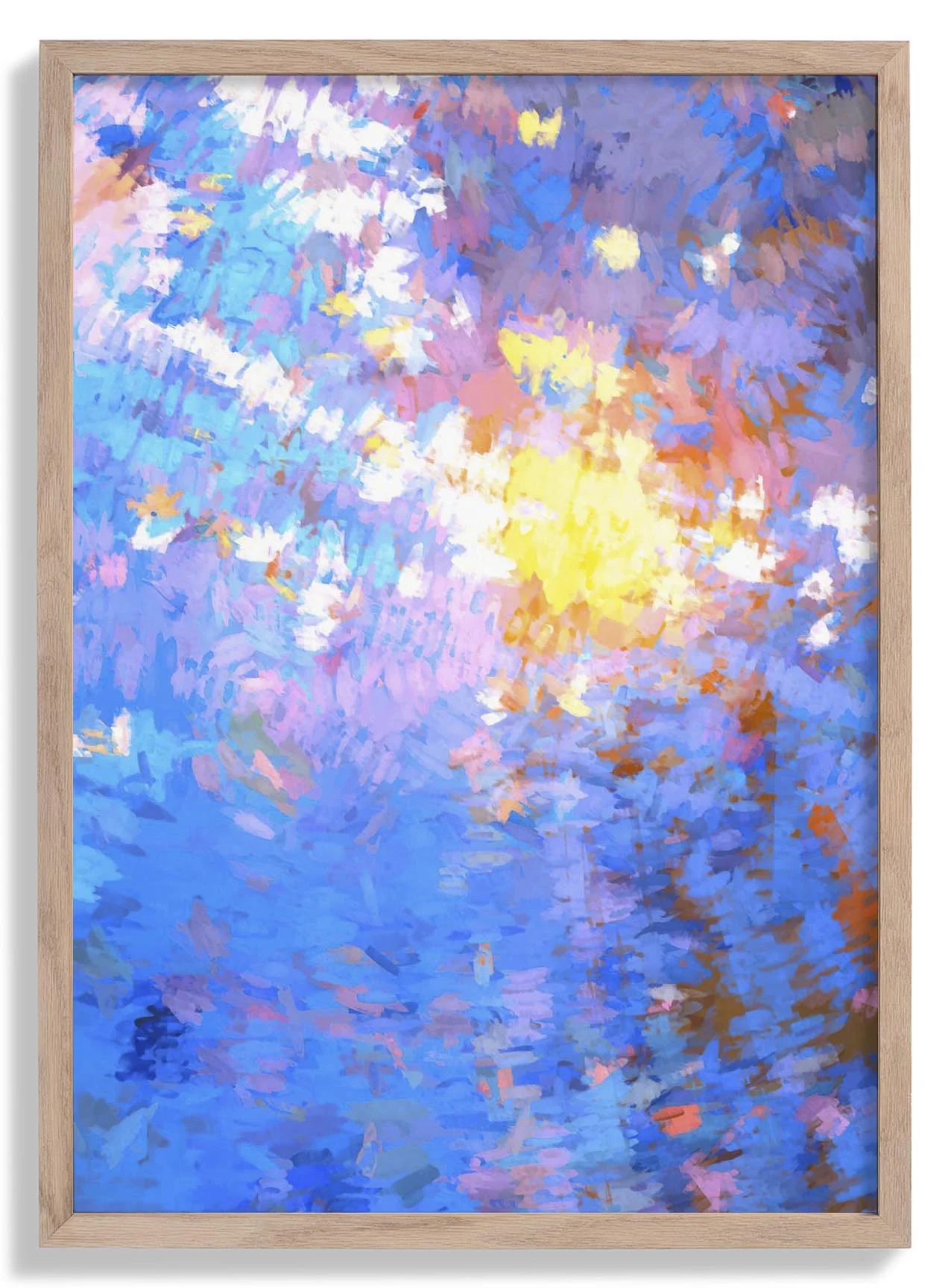
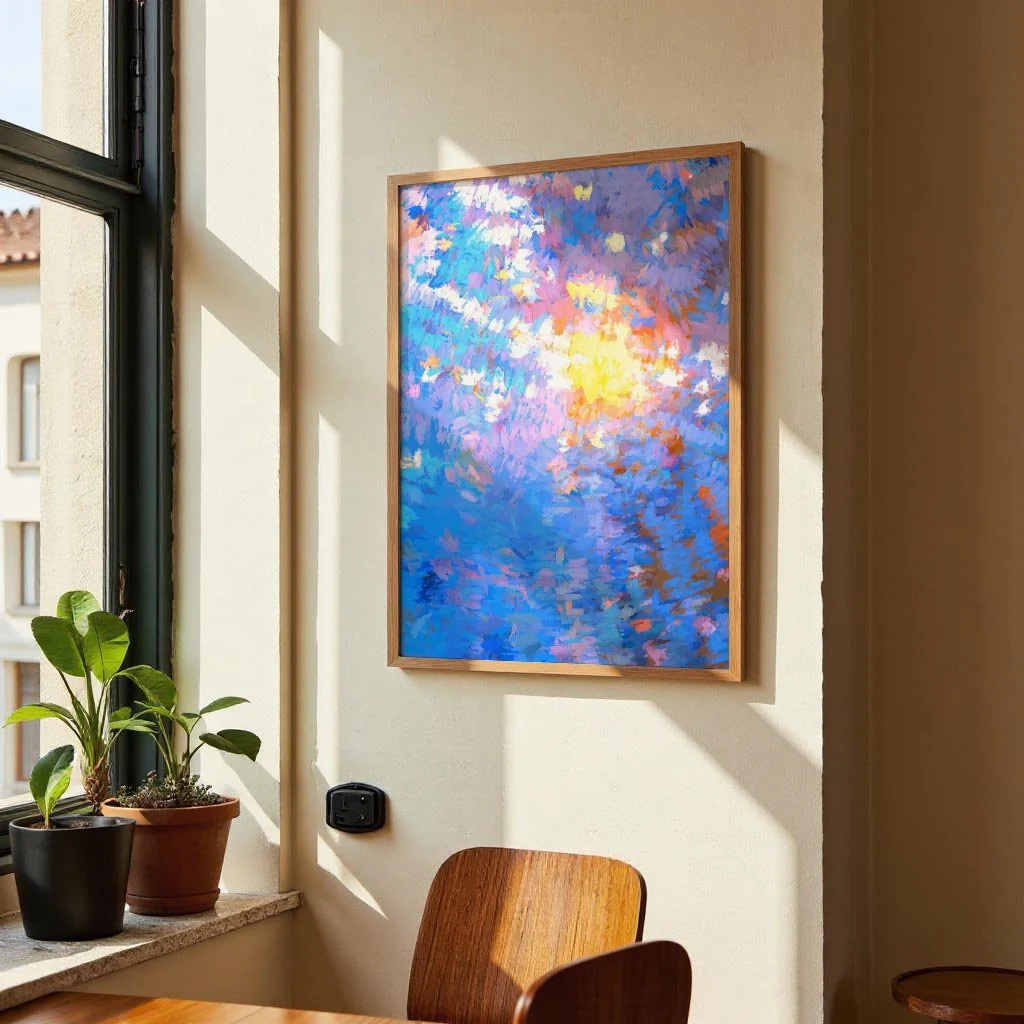
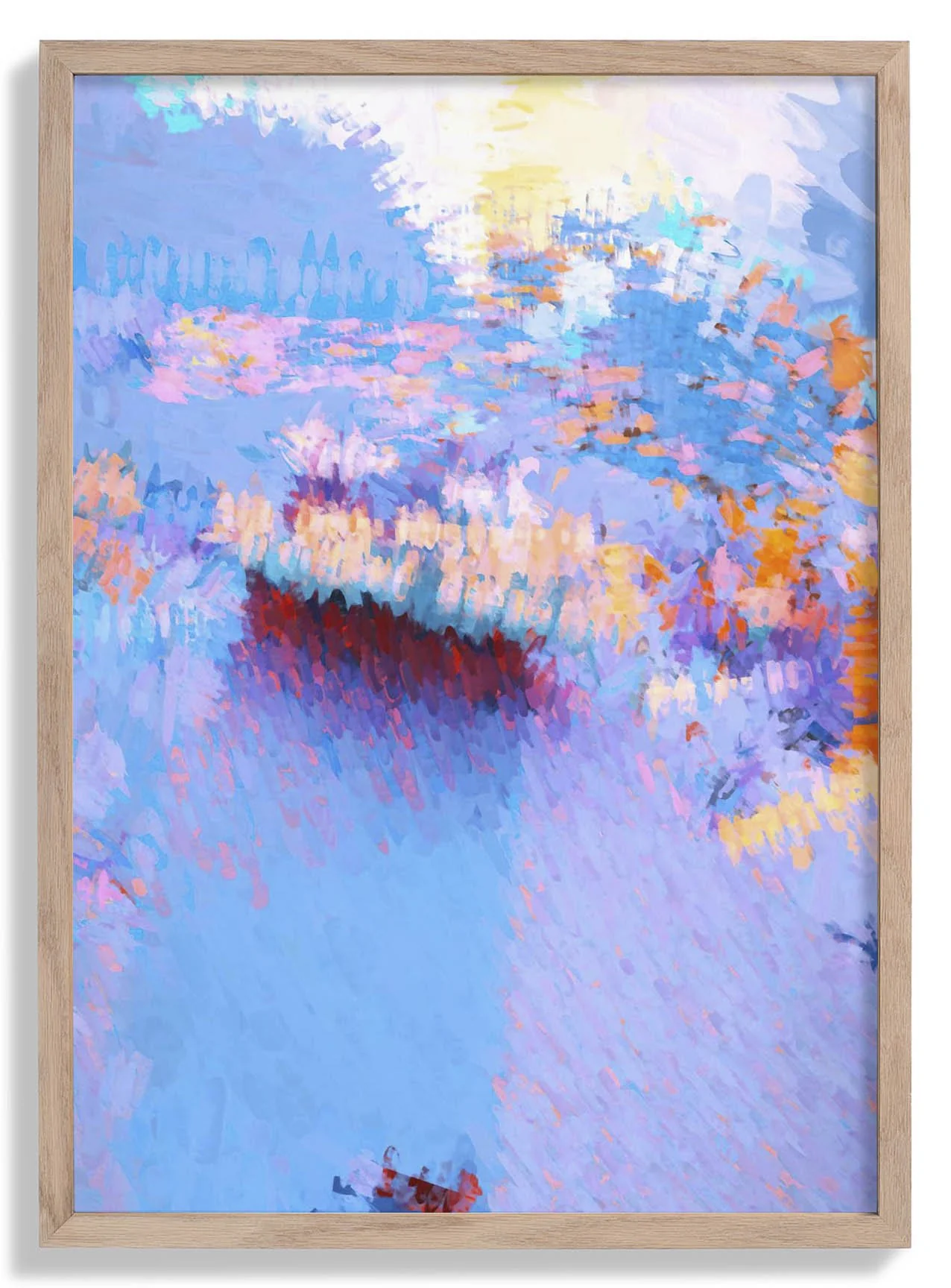
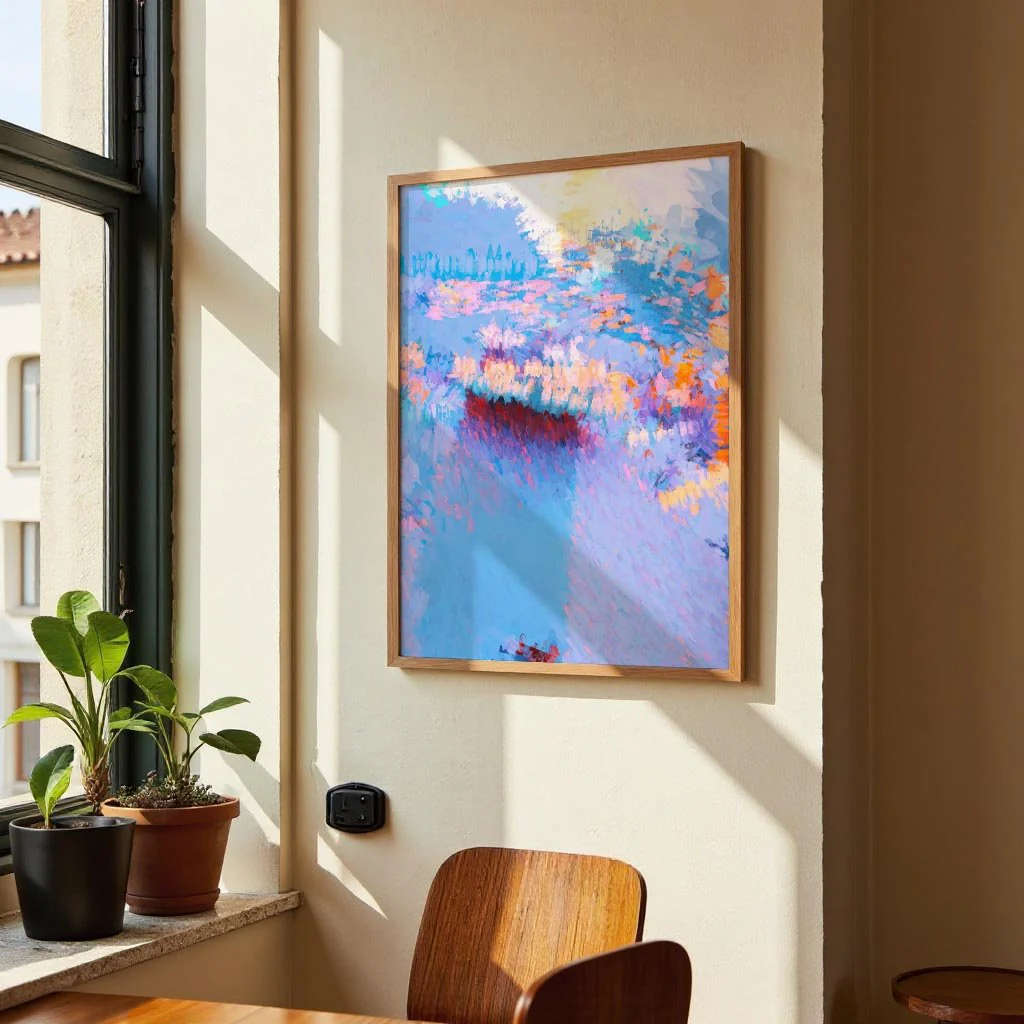
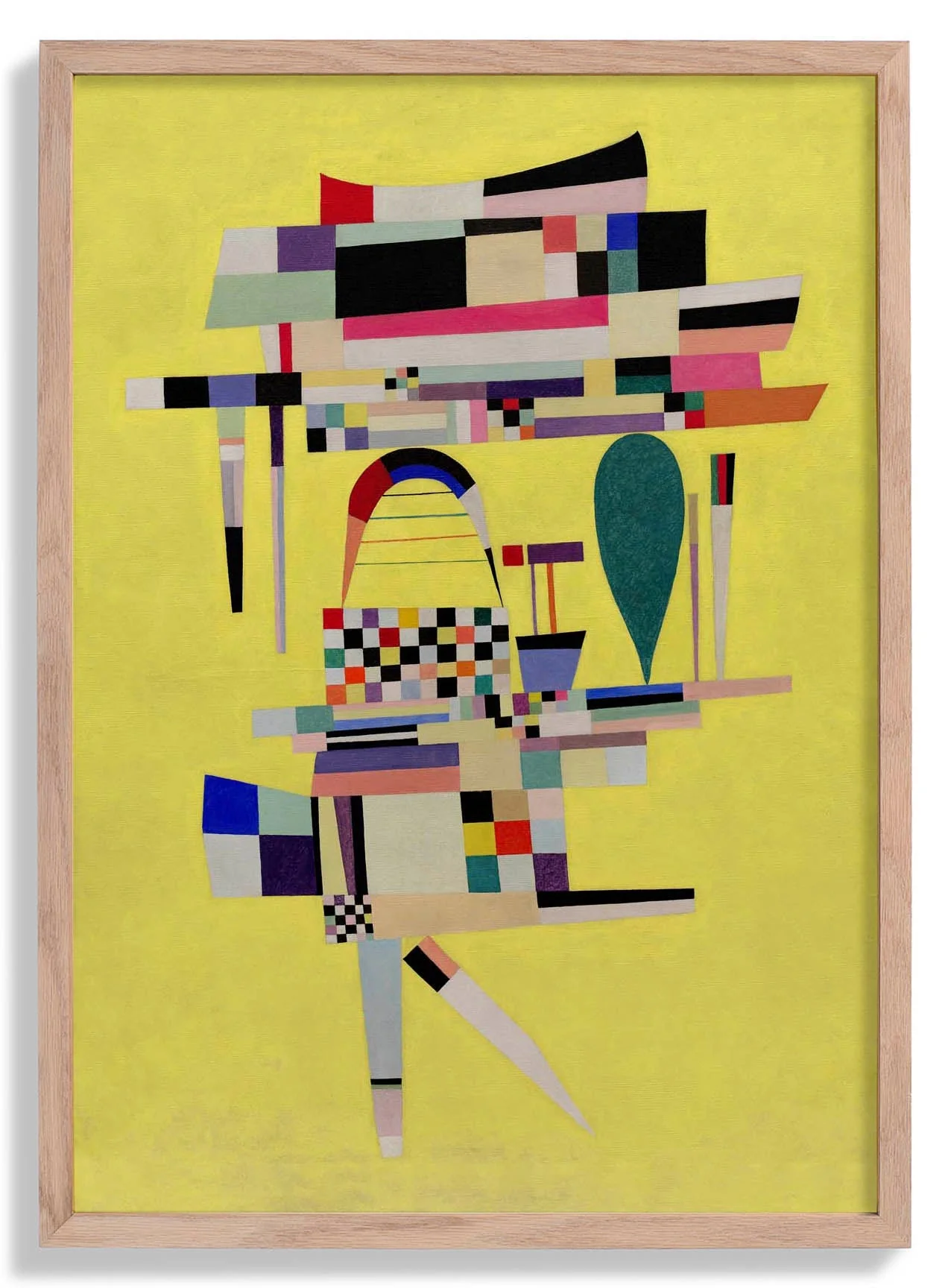
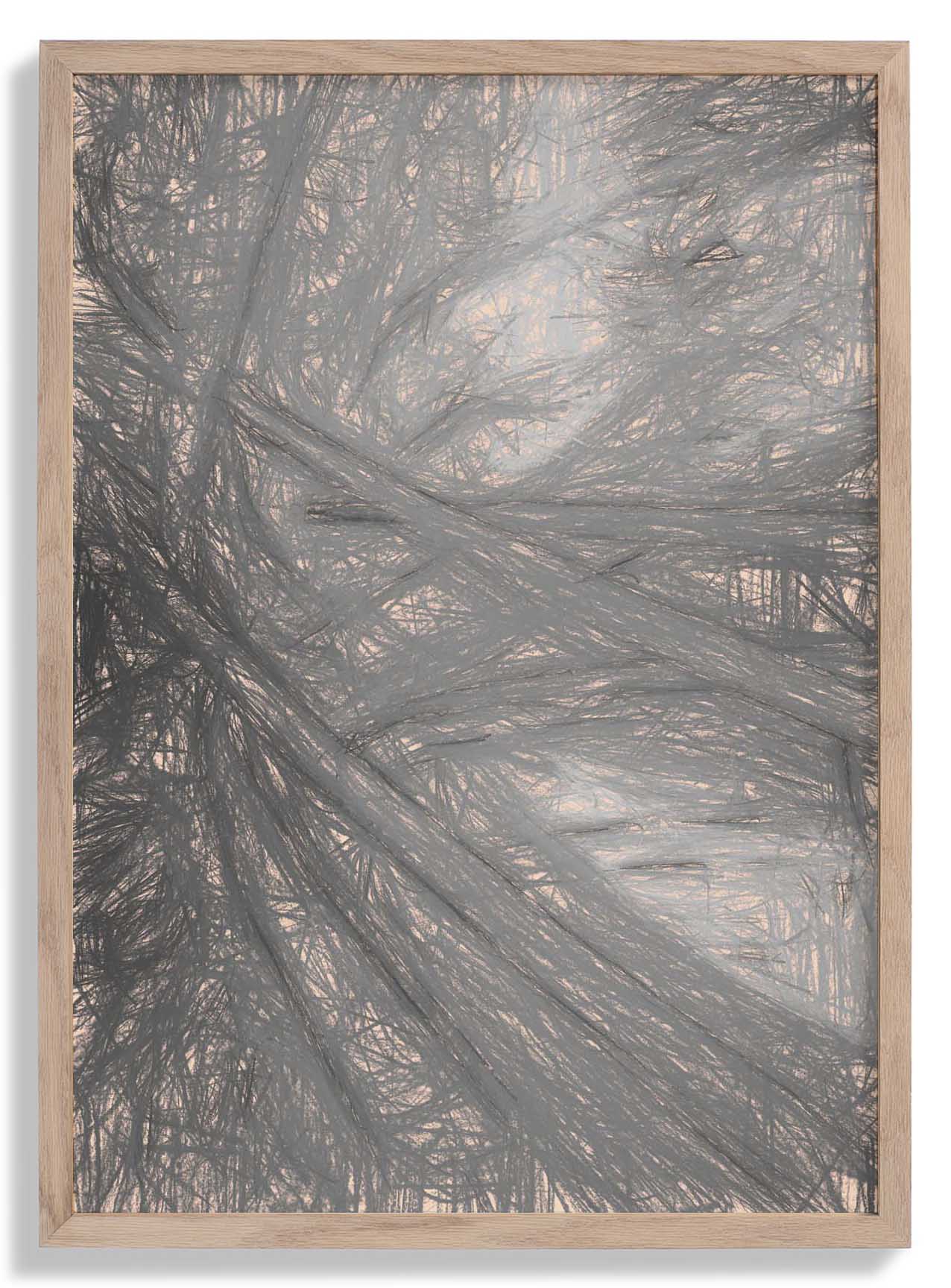
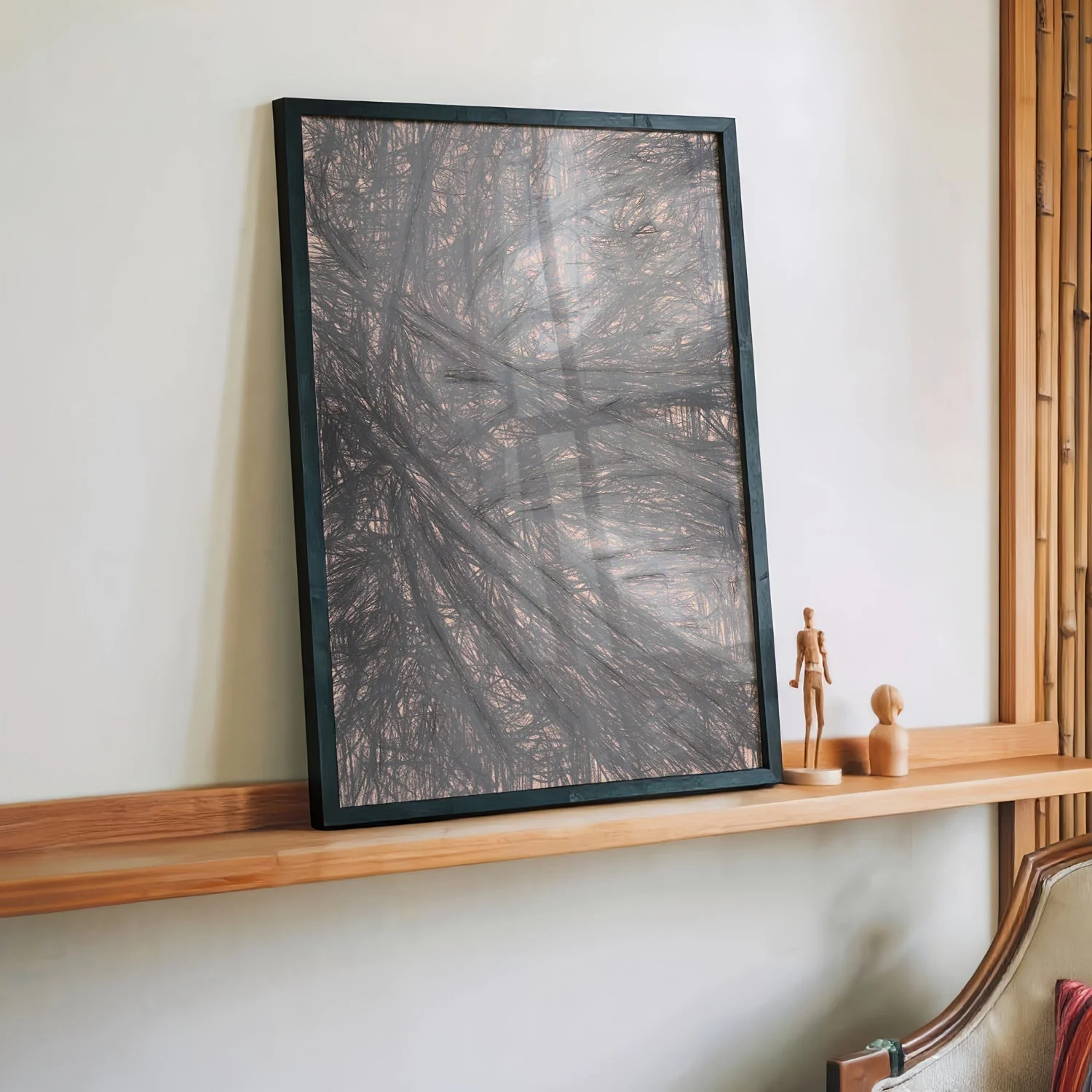
Riddle Trees (Part 7) arrives at a moment of pronounced openness in the series, the branching structures reduced to their most essential lines and set against an expansive, near-empty ground. By this point in the sequence Henry Hu has stripped back progressively, and here that process reaches a sustained quietude — single strokes read with extraordinary weight precisely because so little else competes for attention. The composition tilts toward asymmetry, a characteristic move in the Japandi tradition, creating tension without disruption and stillness without inertia.
Printed as a fine art print, each spare, considered mark is reproduced with absolute sharpness against the luminous ground, ensuring that the work's deliberate economy translates with full clarity.
Riddle Trees (Part 7) arrives at a moment of pronounced openness in the series, the branching structures reduced to their most essential lines and set against an expansive, near-empty ground. By this point in the sequence Henry Hu has stripped back progressively, and here that process reaches a sustained quietude — single strokes read with extraordinary weight precisely because so little else competes for attention. The composition tilts toward asymmetry, a characteristic move in the Japandi tradition, creating tension without disruption and stillness without inertia.
Printed as a fine art print, each spare, considered mark is reproduced with absolute sharpness against the luminous ground, ensuring that the work's deliberate economy translates with full clarity.
Original: $21.18
-65%$21.18
$7.41Description
Riddle Trees (Part 7) arrives at a moment of pronounced openness in the series, the branching structures reduced to their most essential lines and set against an expansive, near-empty ground. By this point in the sequence Henry Hu has stripped back progressively, and here that process reaches a sustained quietude — single strokes read with extraordinary weight precisely because so little else competes for attention. The composition tilts toward asymmetry, a characteristic move in the Japandi tradition, creating tension without disruption and stillness without inertia.
Printed as a fine art print, each spare, considered mark is reproduced with absolute sharpness against the luminous ground, ensuring that the work's deliberate economy translates with full clarity.