Three Sounds by Wassily Kandinsky Exhibition
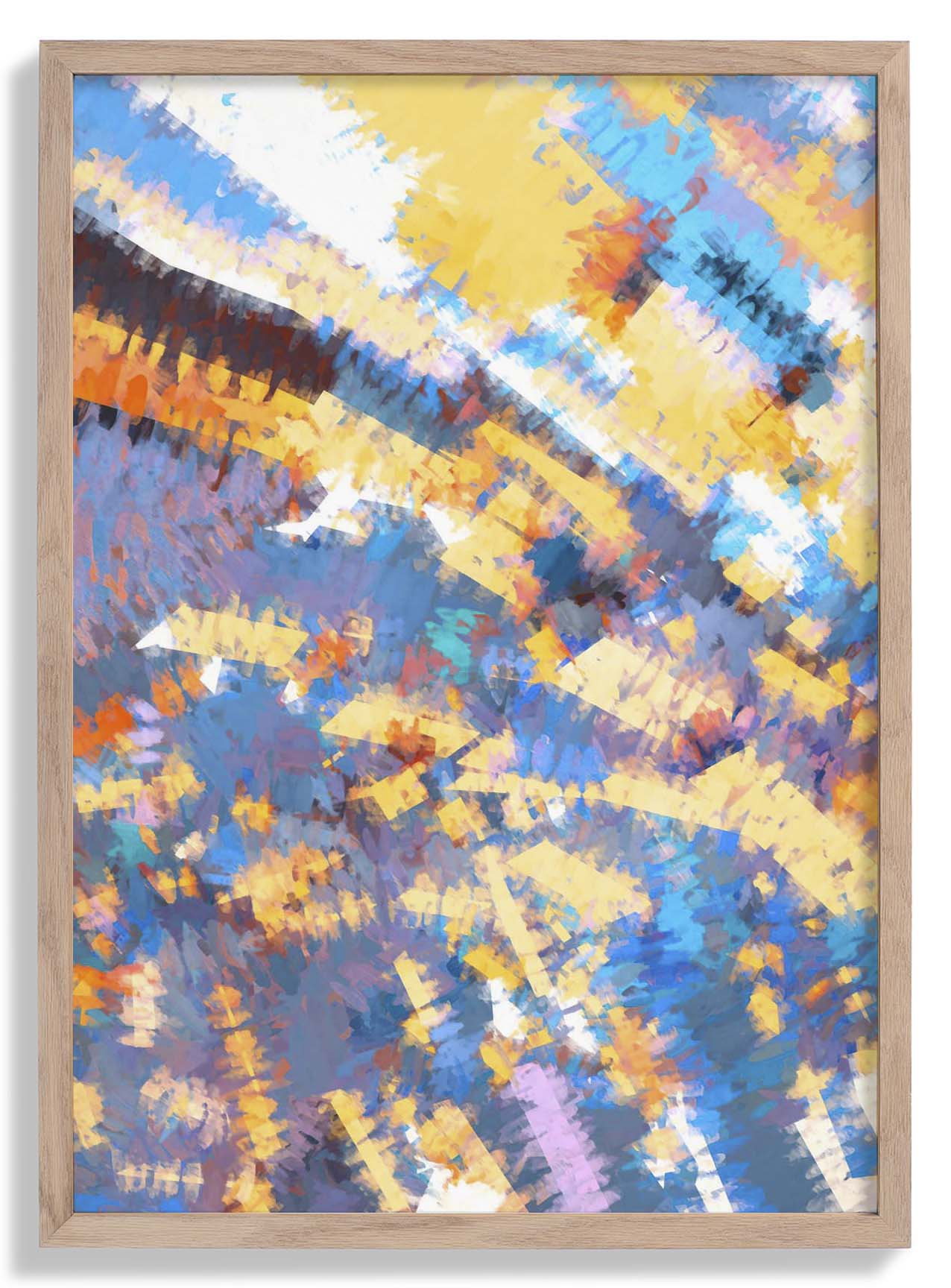
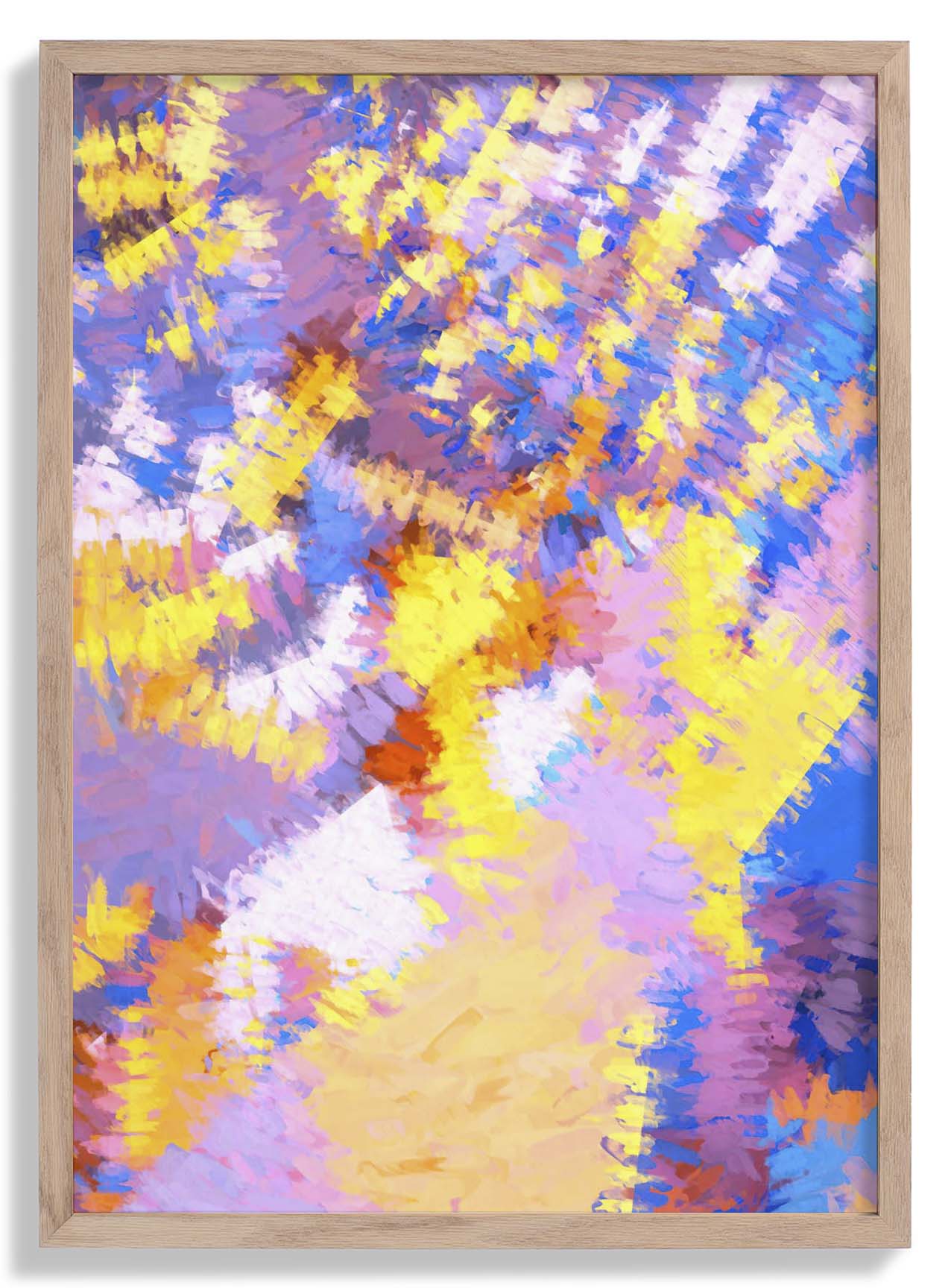
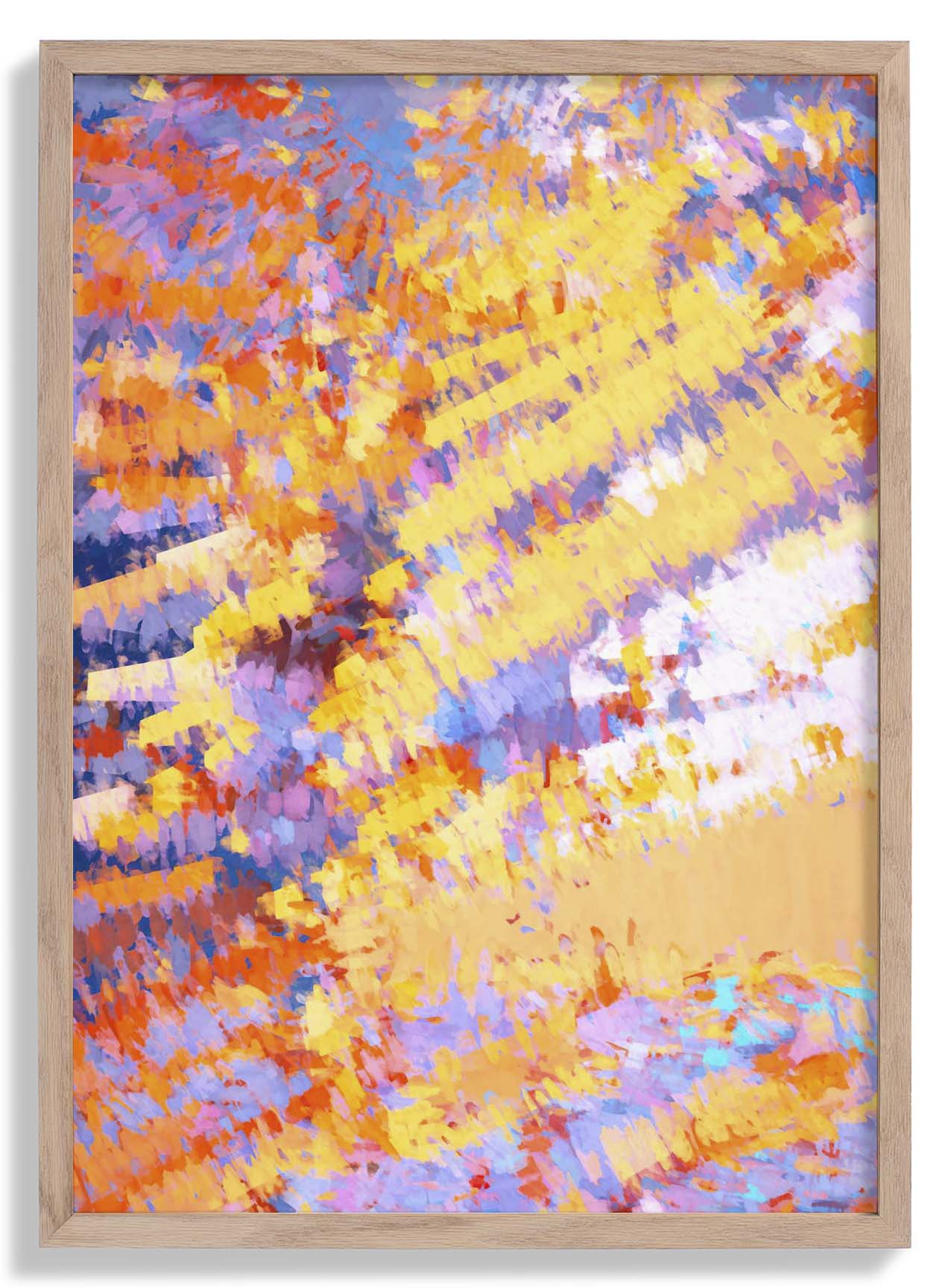
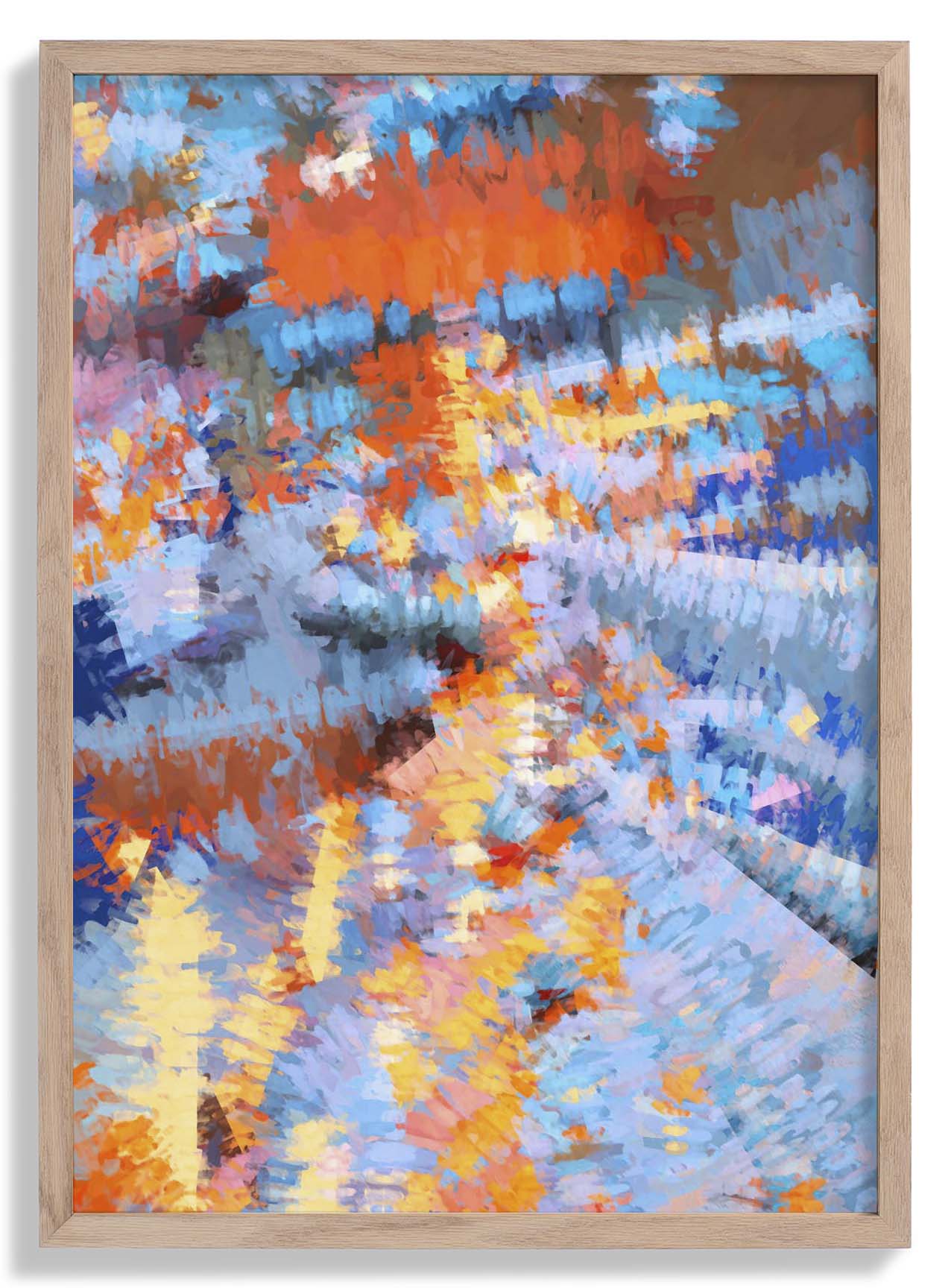
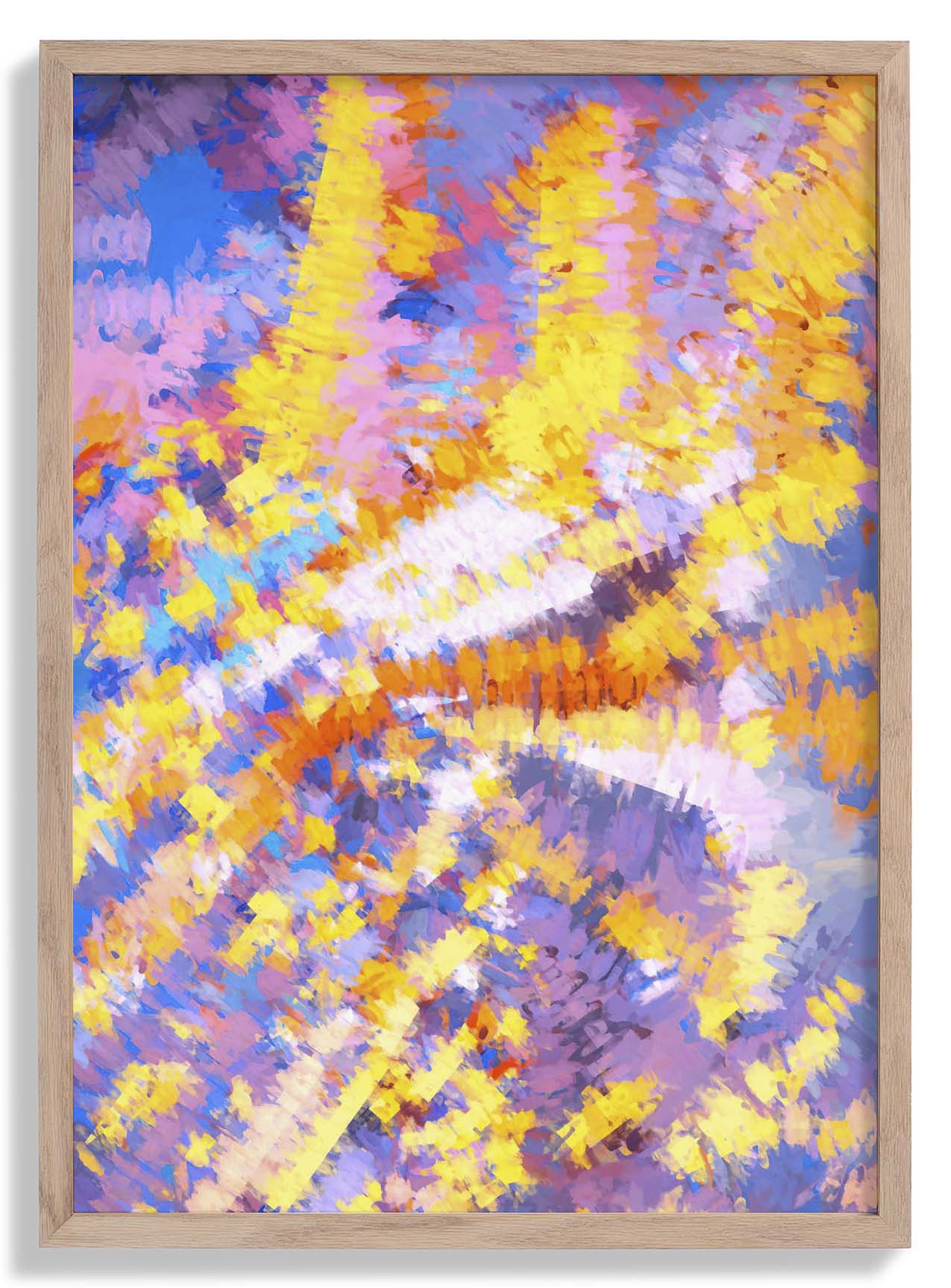
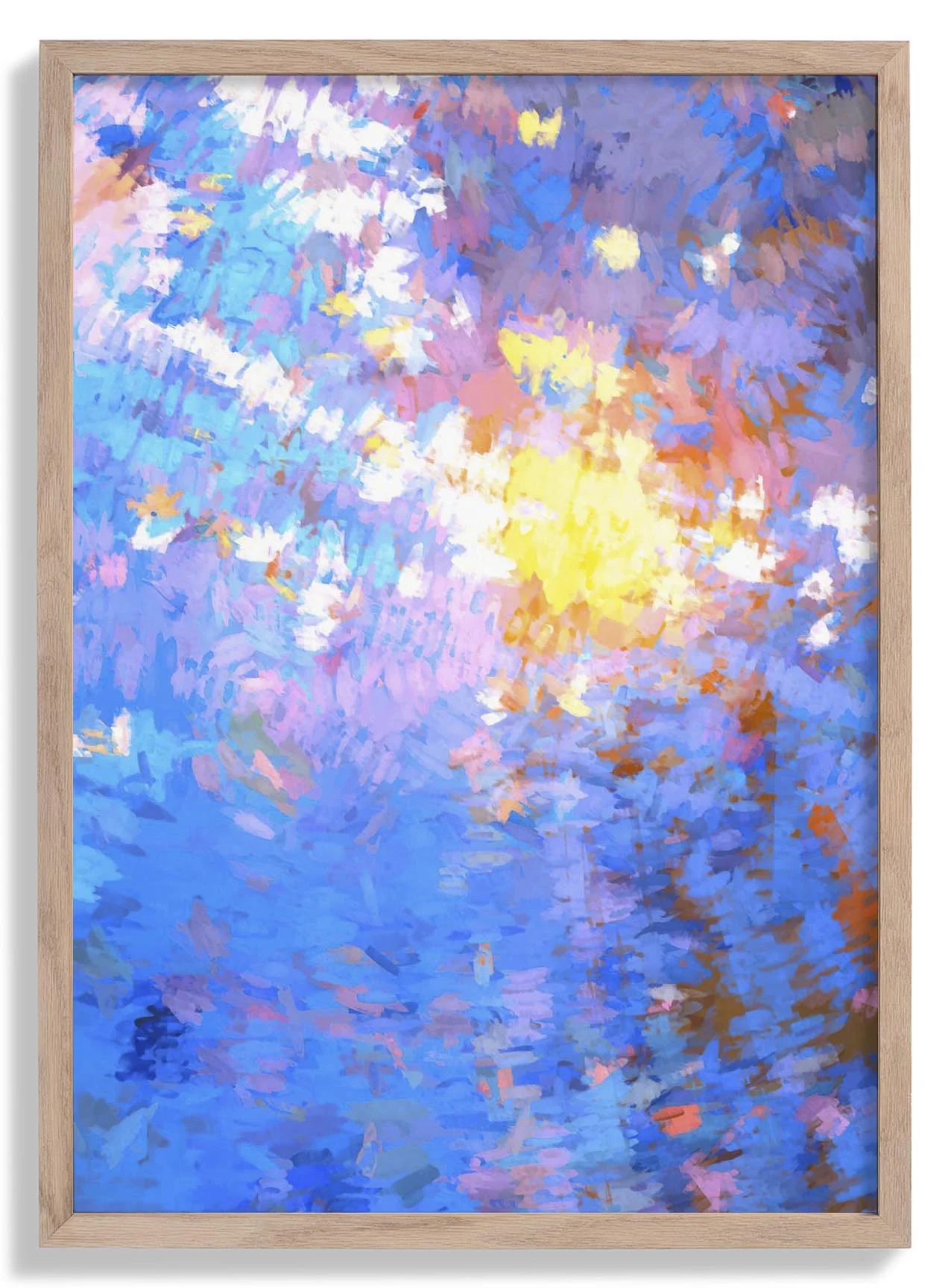
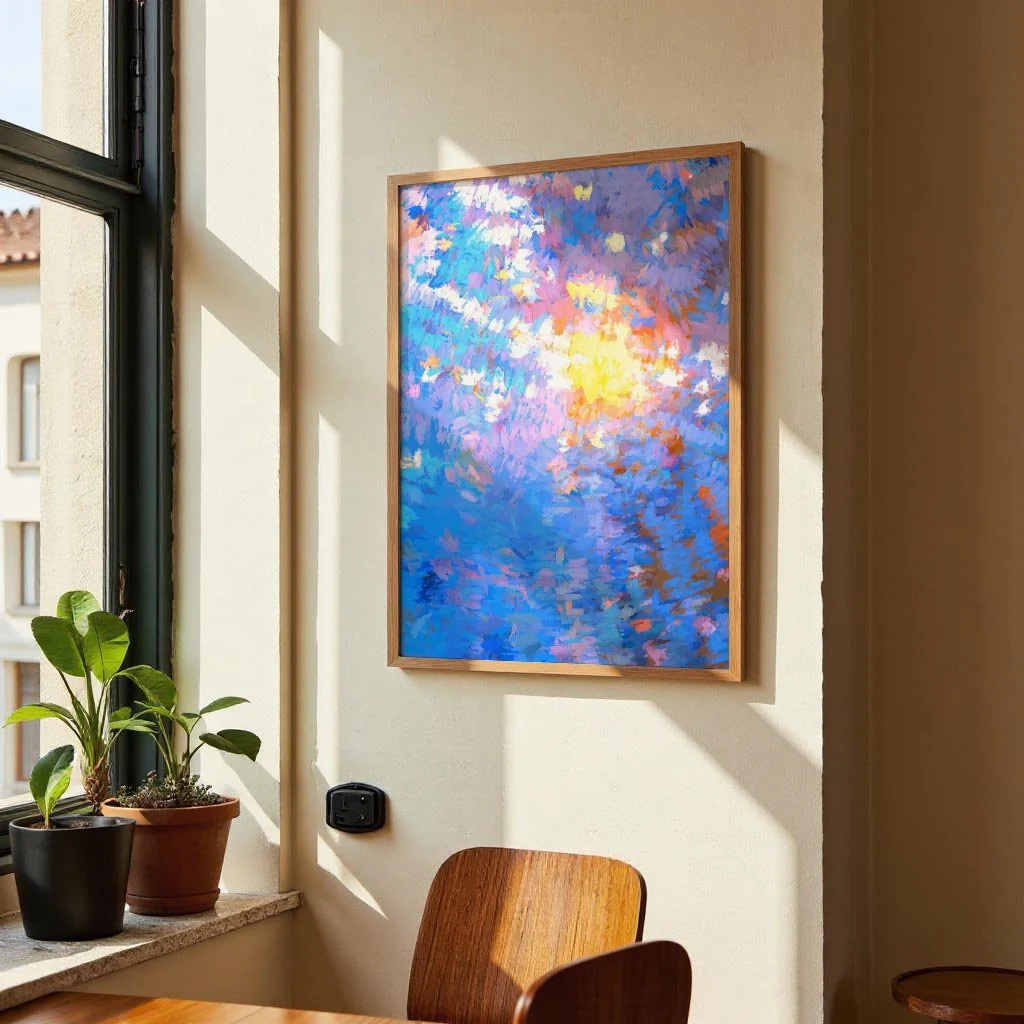
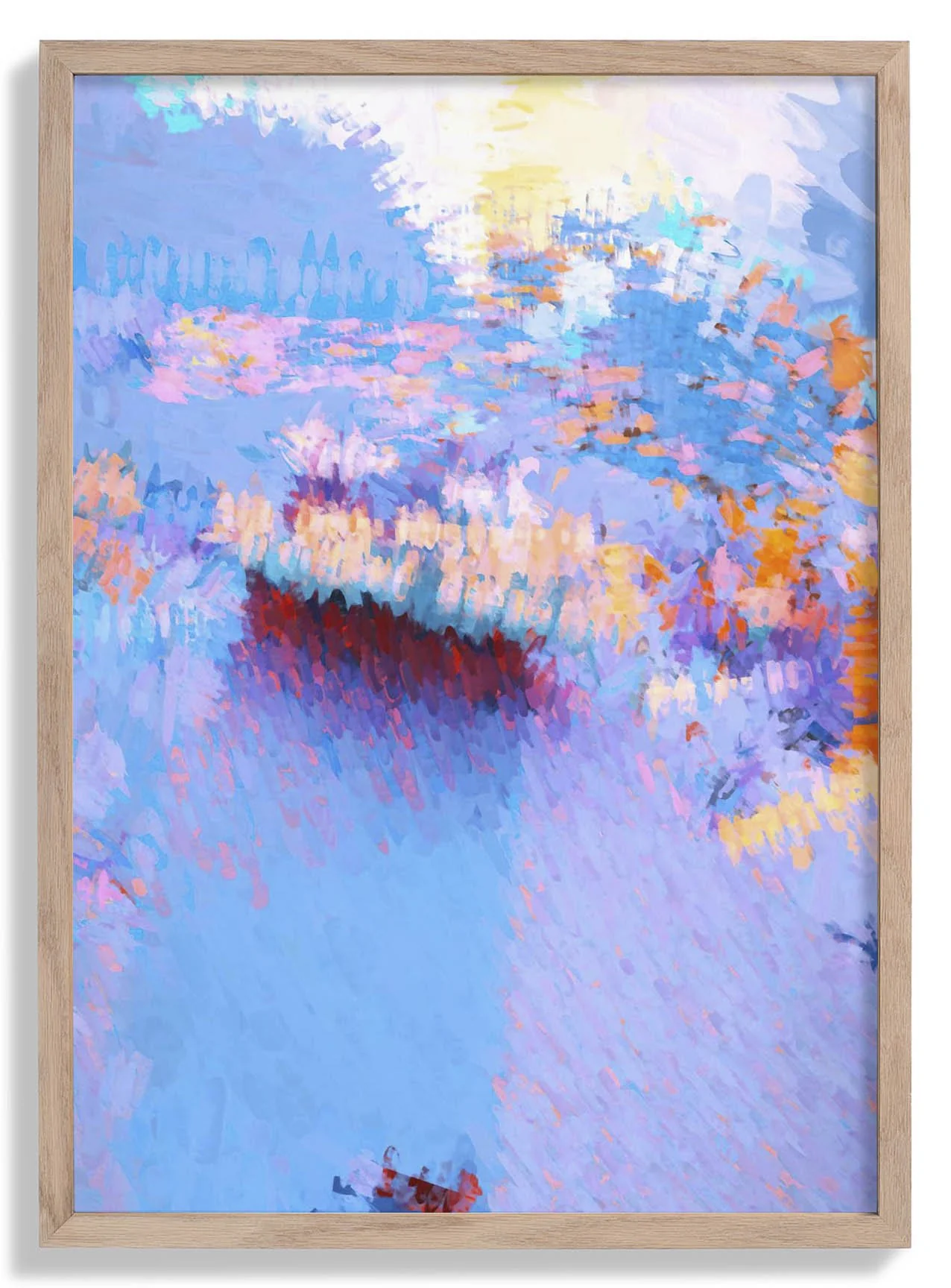
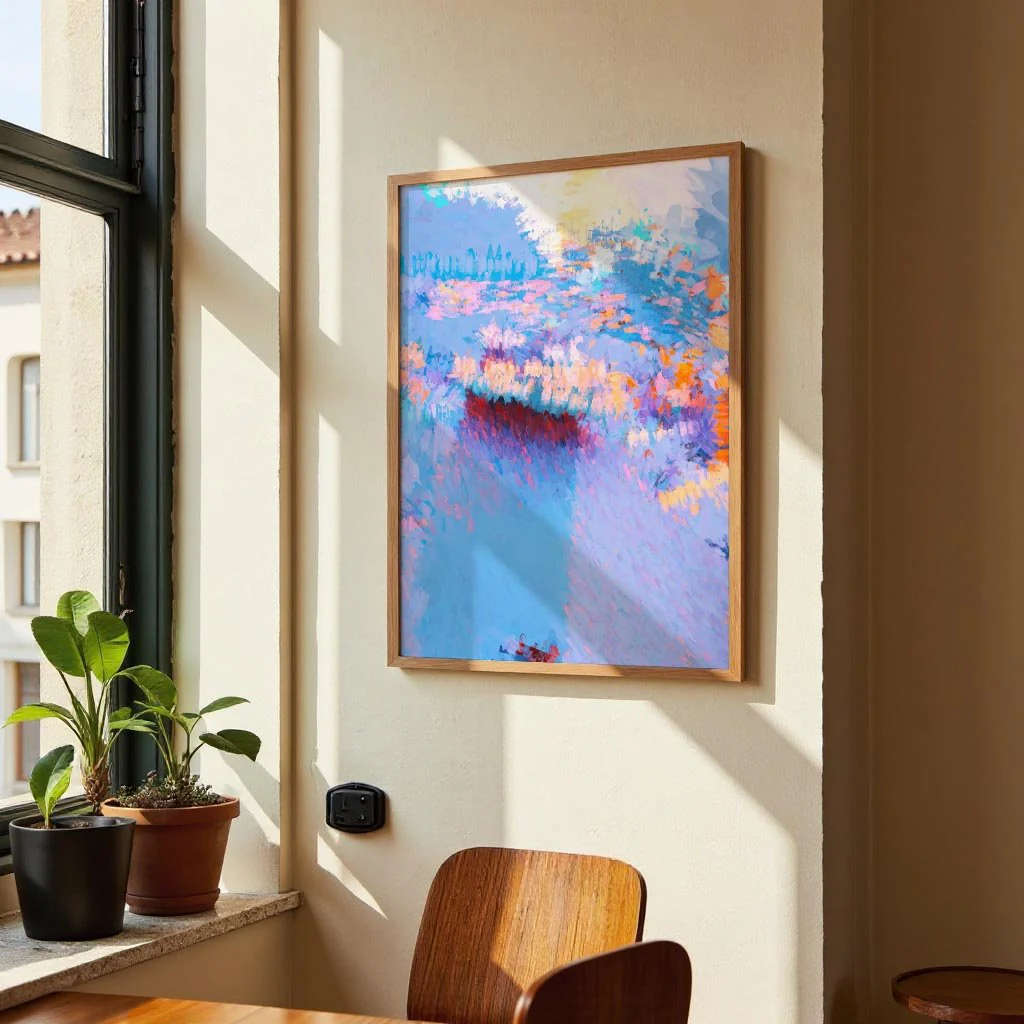
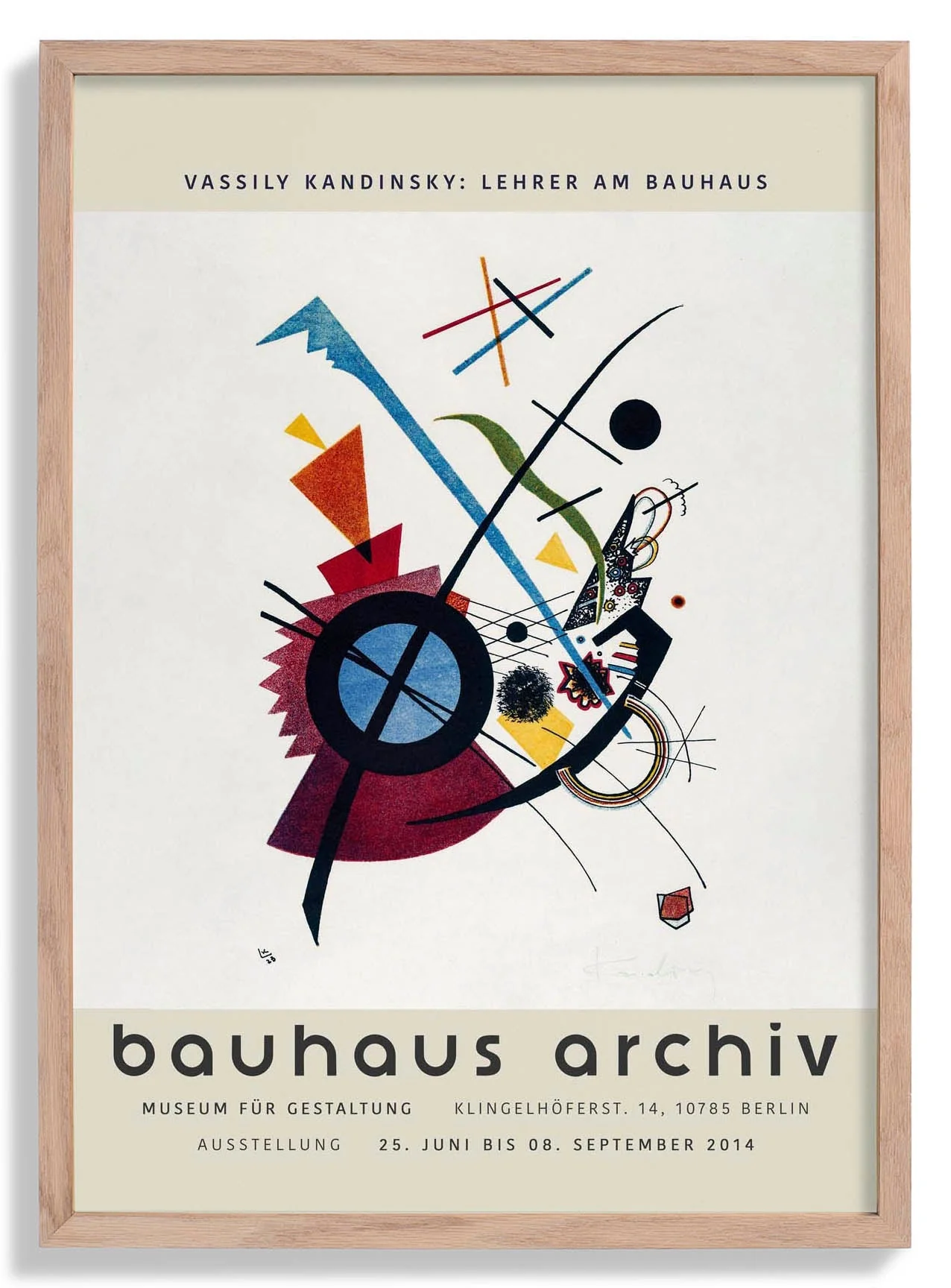
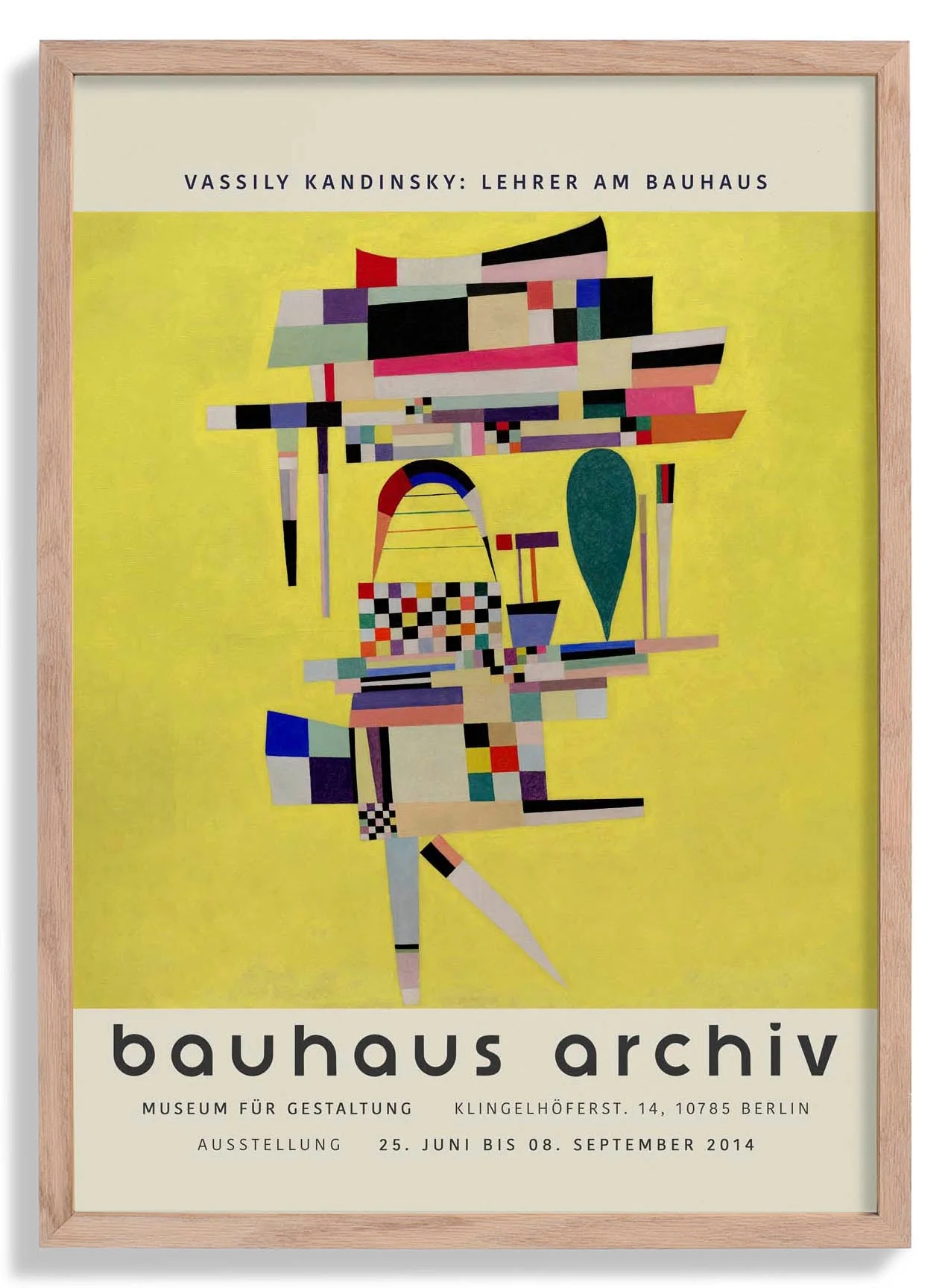
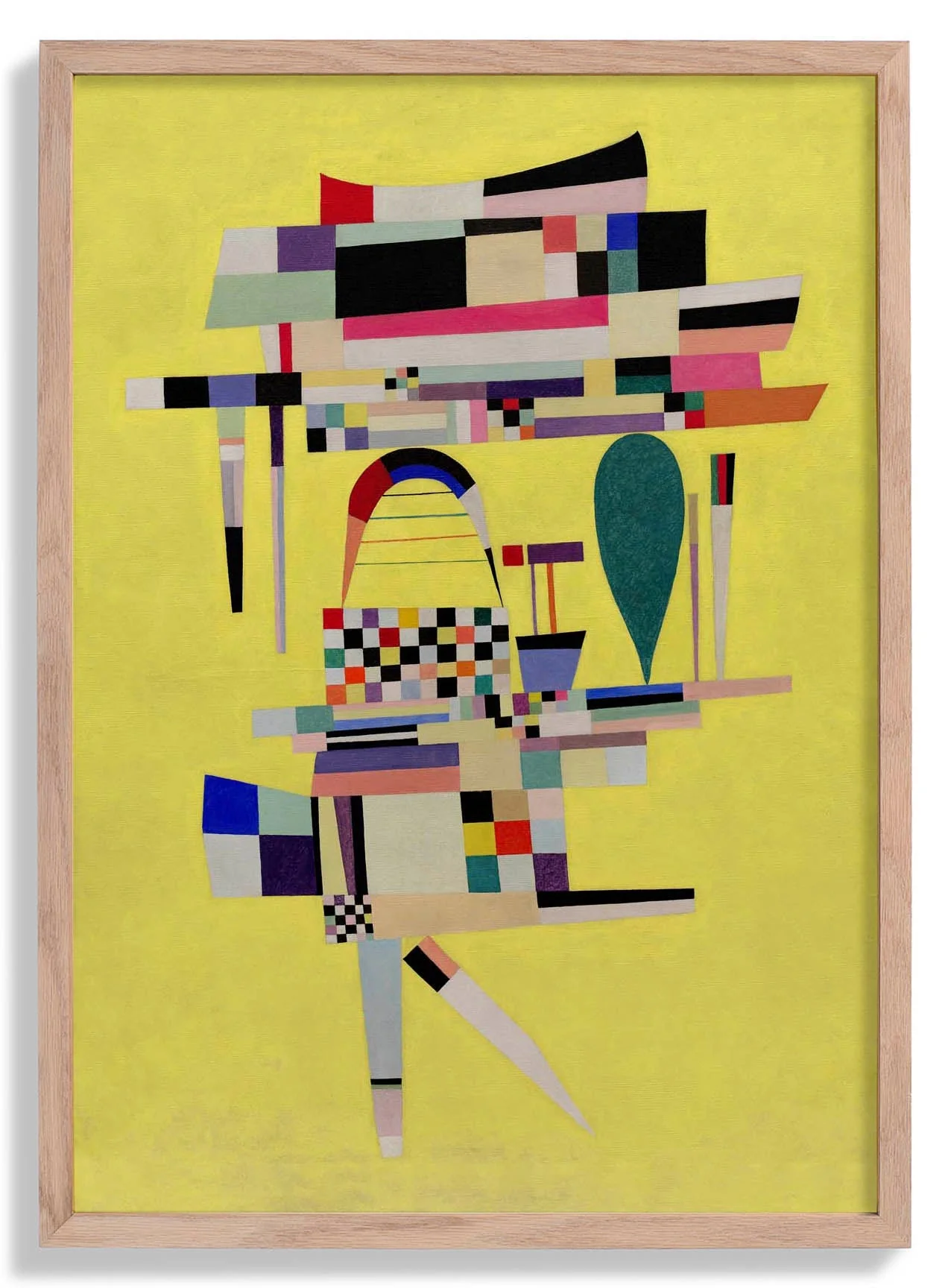
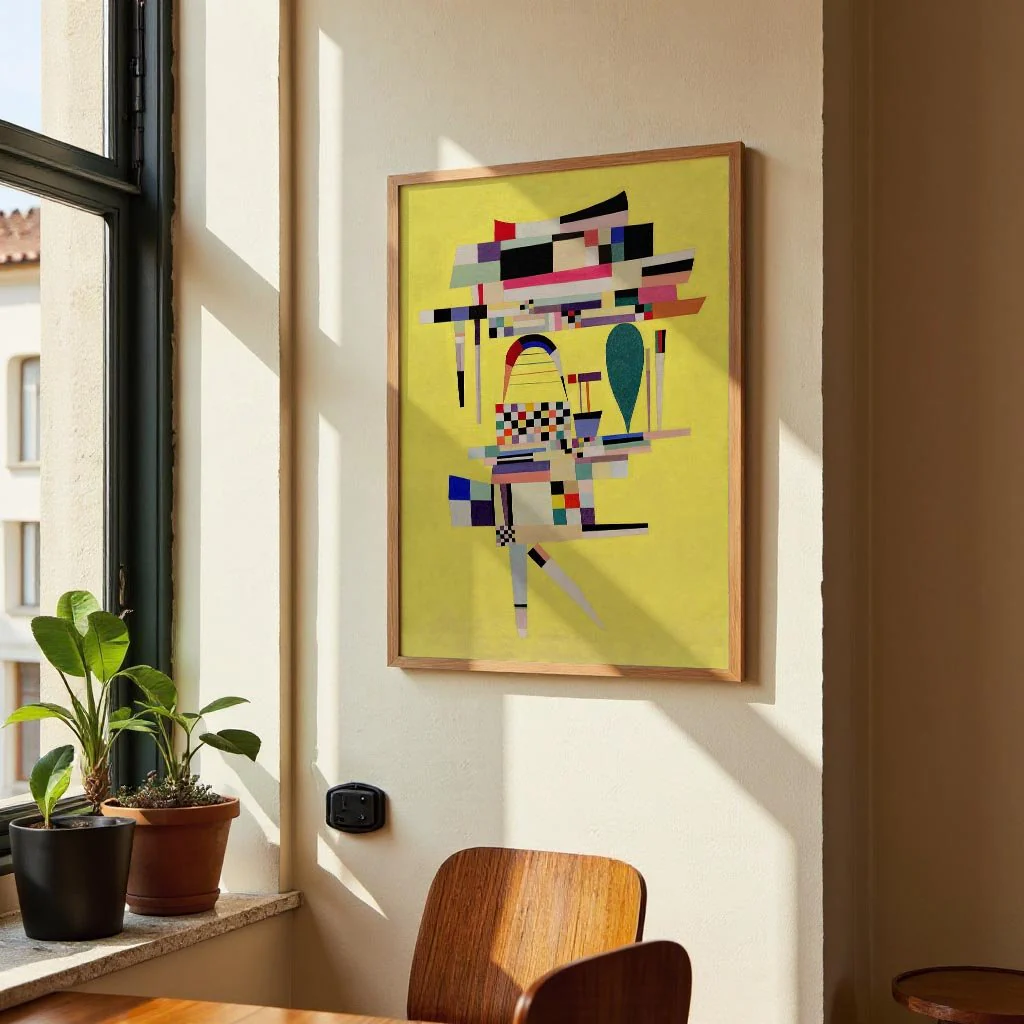
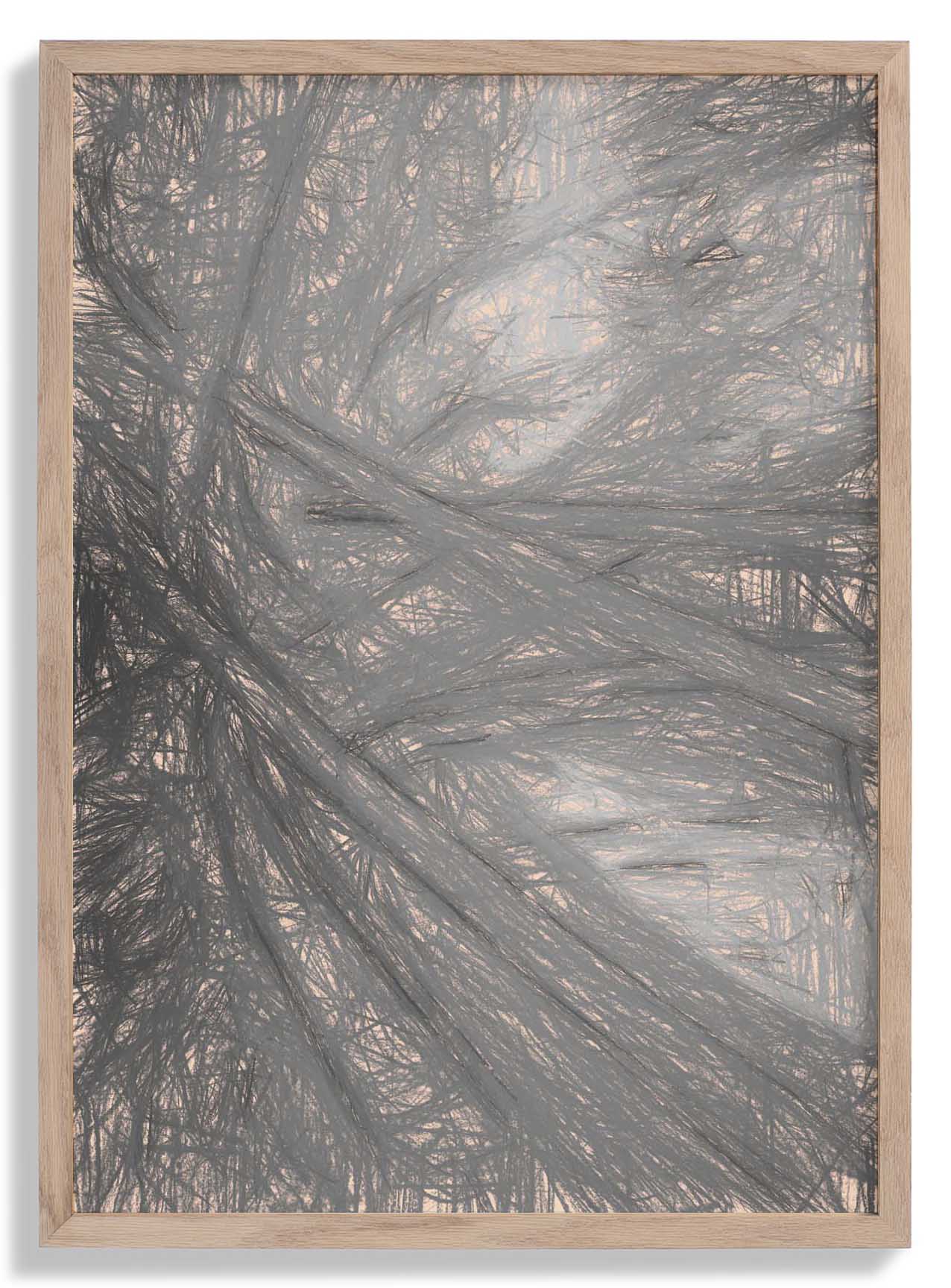
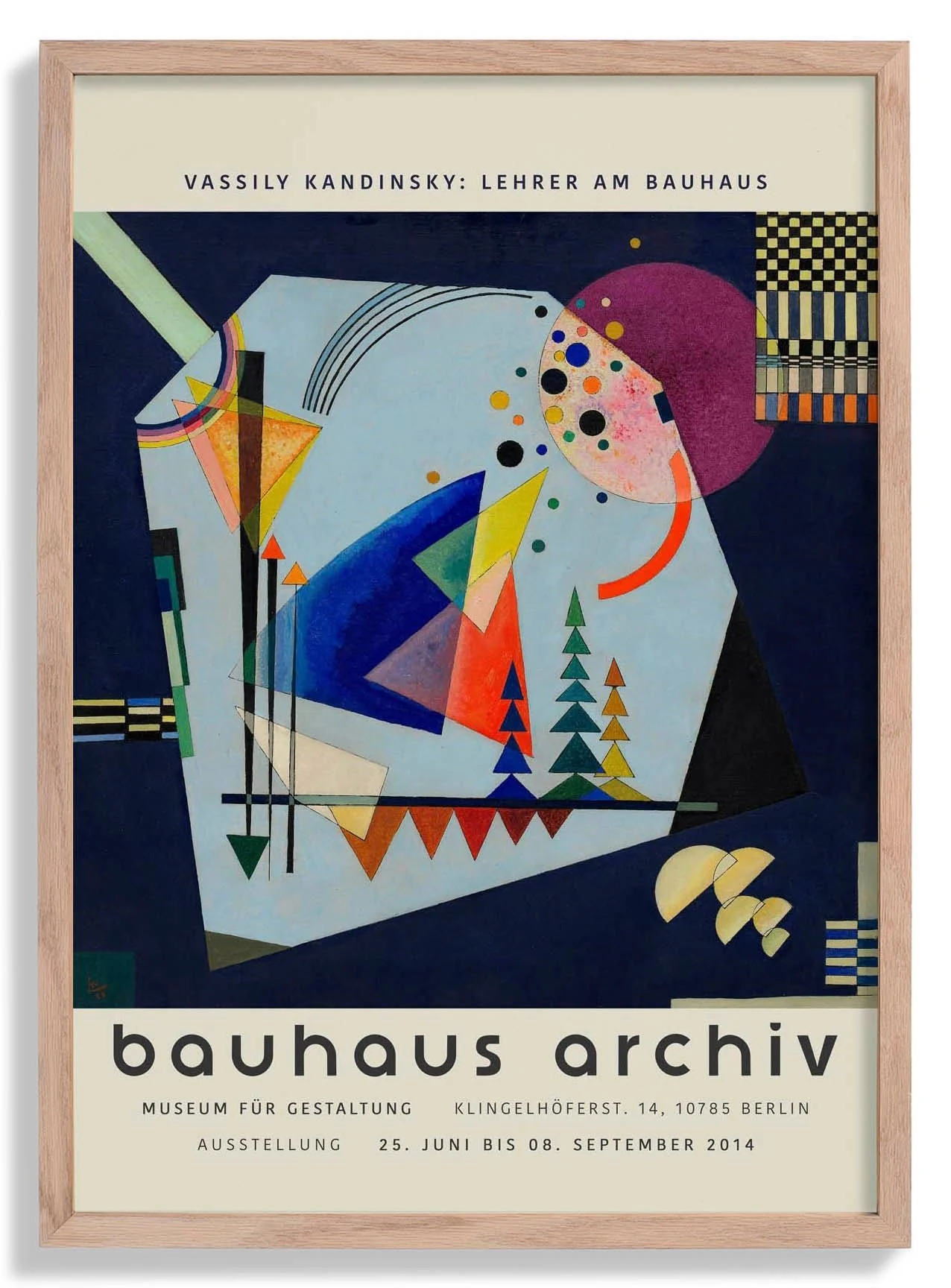
Three Sounds is a concentrated example of Wassily Kandinsky's mature abstract language — a composition in which geometric and organic forms float against a muted ground, each shape carrying its own emotional frequency. True to his theory that colour and form could communicate directly, bypassing the need for representational content, Kandinsky orchestrates visual rhythm the way a composer would arrange notes: through tension, balance, repetition, and contrast. The palette is restrained but deliberately calibrated, allowing the formal relationships between elements to do the expressive work. The result is a painting that rewards sustained attention.
This archival fine art print captures the precision of Kandinsky's line and the subtle tonal relationships between forms — details that are essential to reading the composition as its creator intended.
Three Sounds is a concentrated example of Wassily Kandinsky's mature abstract language — a composition in which geometric and organic forms float against a muted ground, each shape carrying its own emotional frequency. True to his theory that colour and form could communicate directly, bypassing the need for representational content, Kandinsky orchestrates visual rhythm the way a composer would arrange notes: through tension, balance, repetition, and contrast. The palette is restrained but deliberately calibrated, allowing the formal relationships between elements to do the expressive work. The result is a painting that rewards sustained attention.
This archival fine art print captures the precision of Kandinsky's line and the subtle tonal relationships between forms — details that are essential to reading the composition as its creator intended.
Original: $17.65
-65%$17.65
$6.18Description
Three Sounds is a concentrated example of Wassily Kandinsky's mature abstract language — a composition in which geometric and organic forms float against a muted ground, each shape carrying its own emotional frequency. True to his theory that colour and form could communicate directly, bypassing the need for representational content, Kandinsky orchestrates visual rhythm the way a composer would arrange notes: through tension, balance, repetition, and contrast. The palette is restrained but deliberately calibrated, allowing the formal relationships between elements to do the expressive work. The result is a painting that rewards sustained attention.
This archival fine art print captures the precision of Kandinsky's line and the subtle tonal relationships between forms — details that are essential to reading the composition as its creator intended.