Three Sounds by Wassily Kandinsky Exhibition
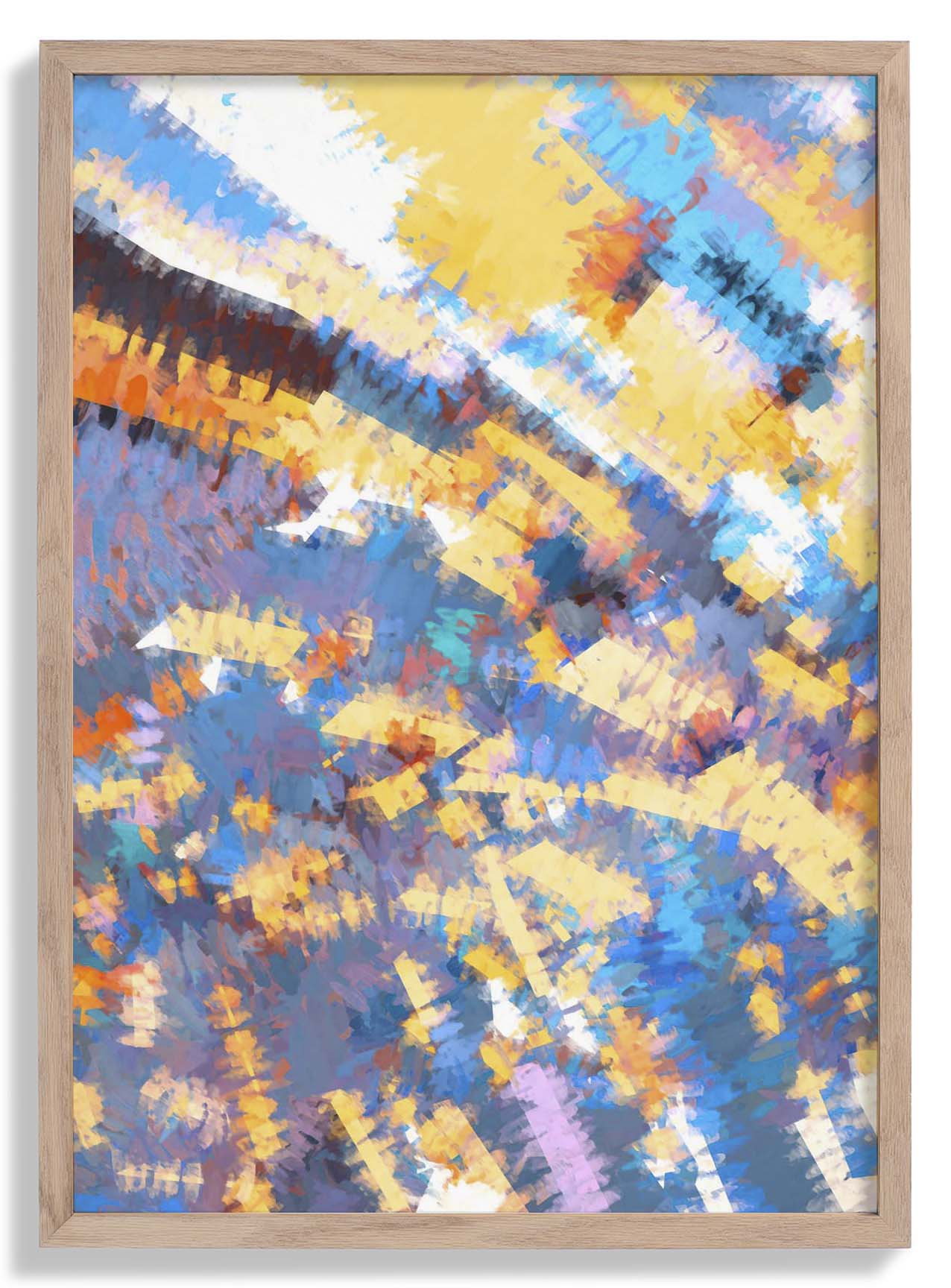
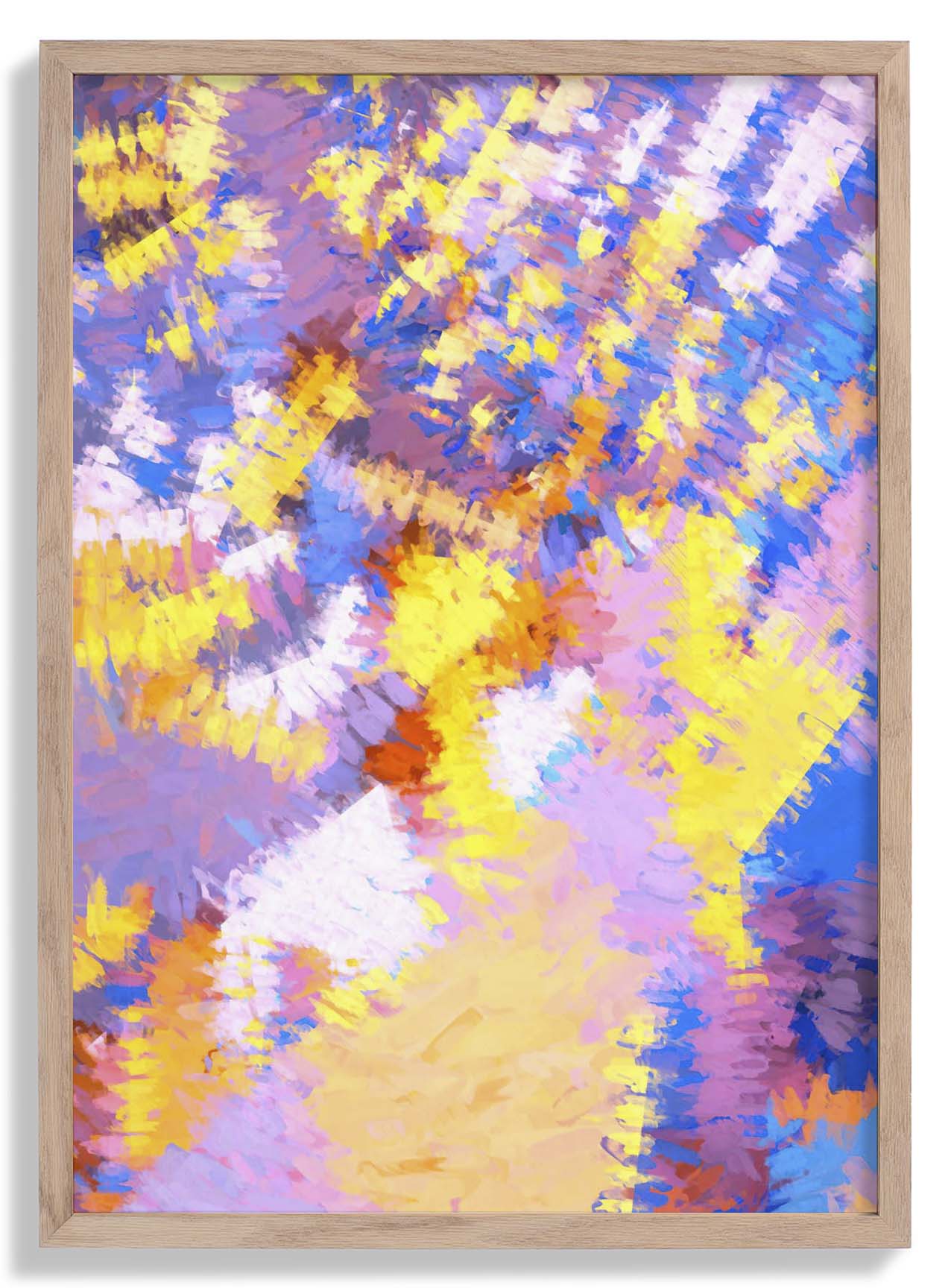
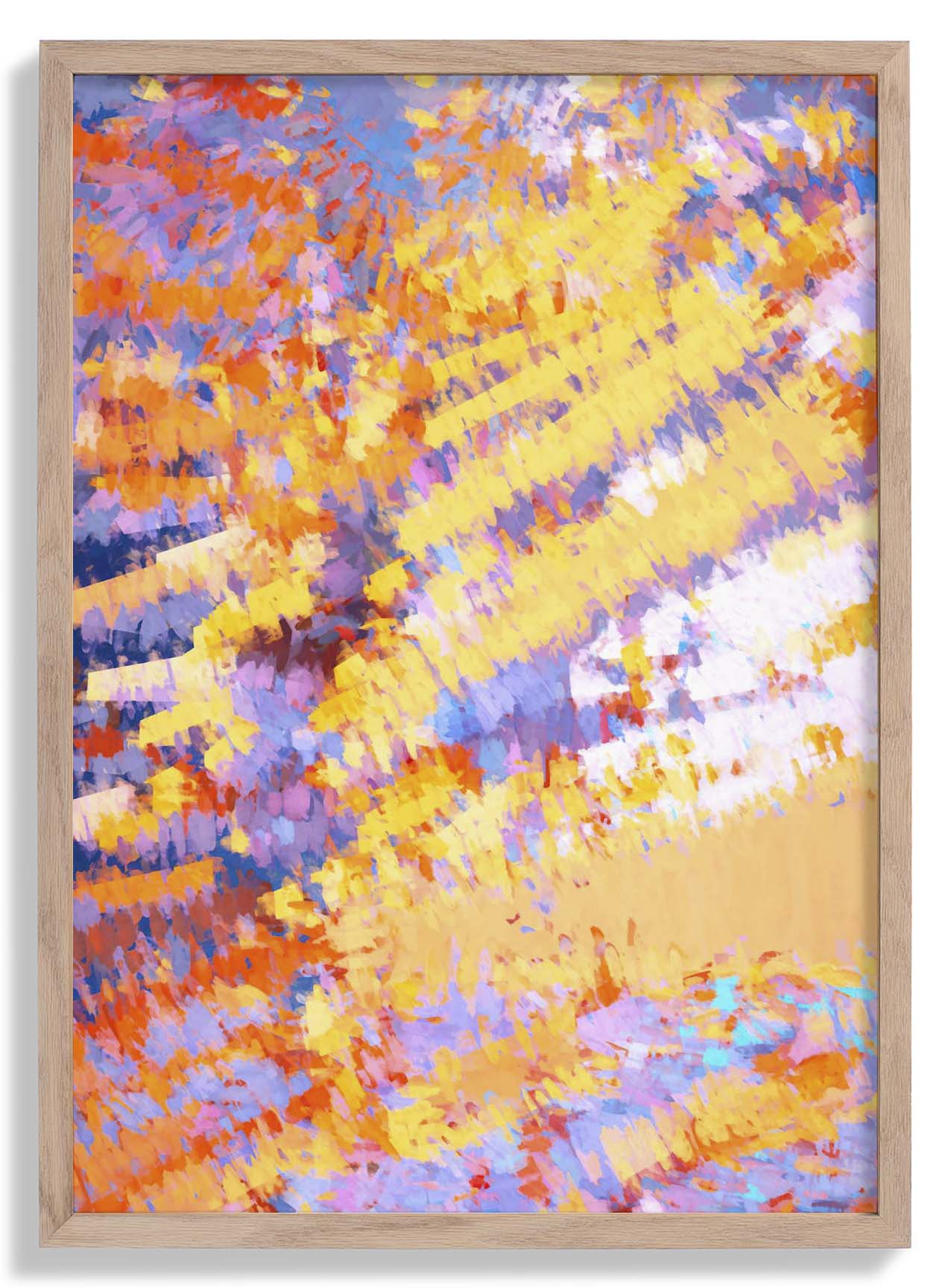
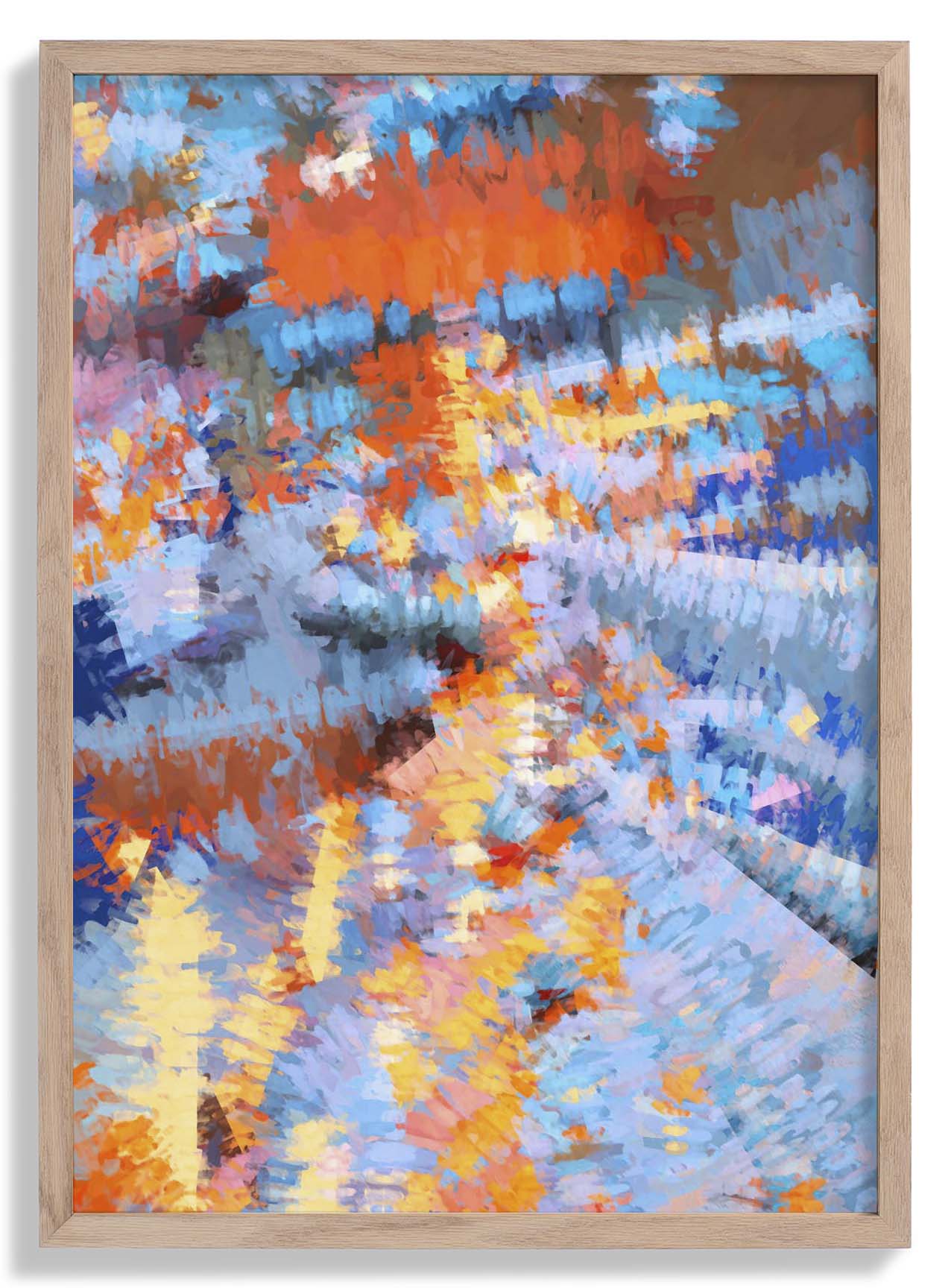
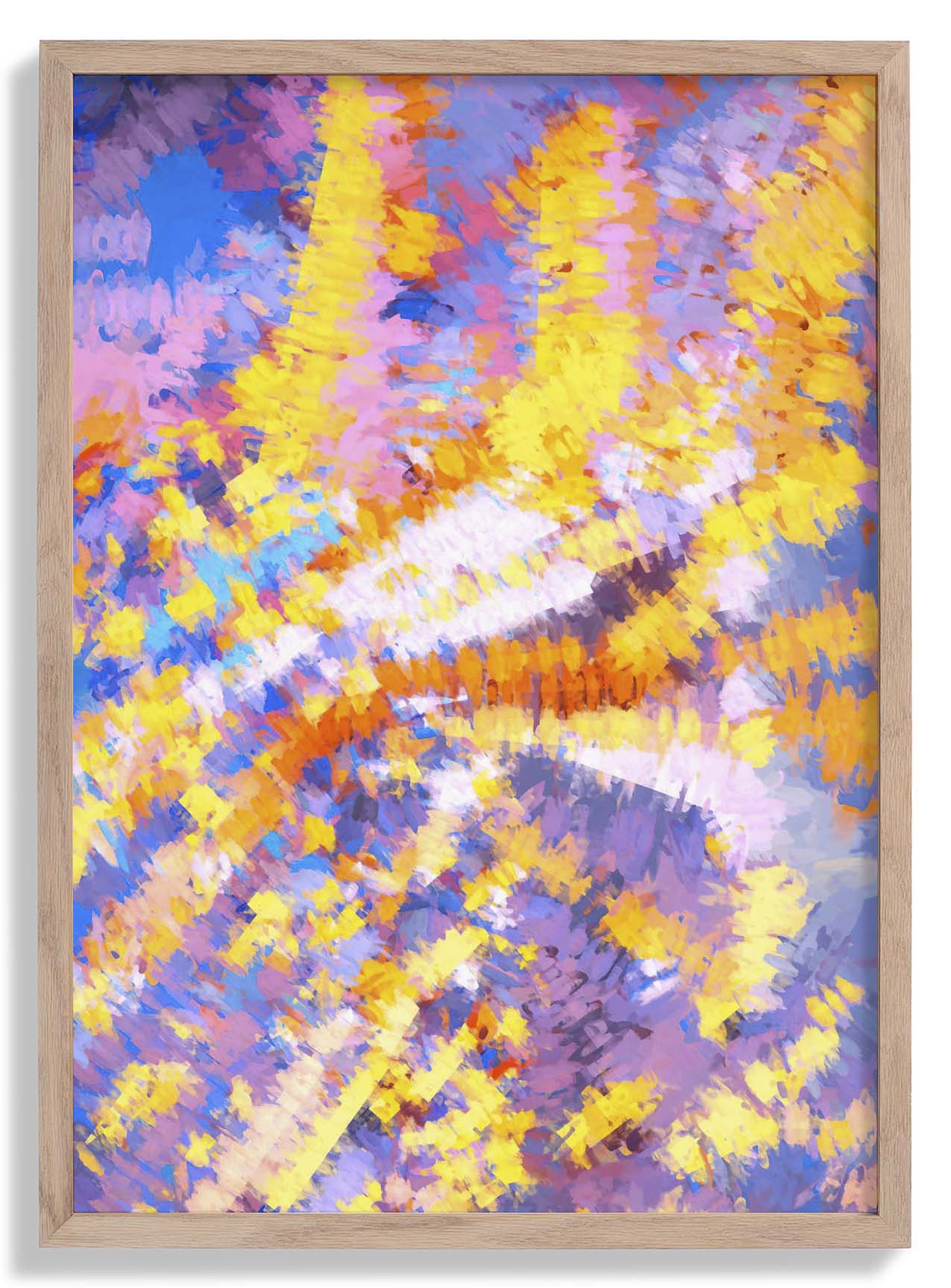
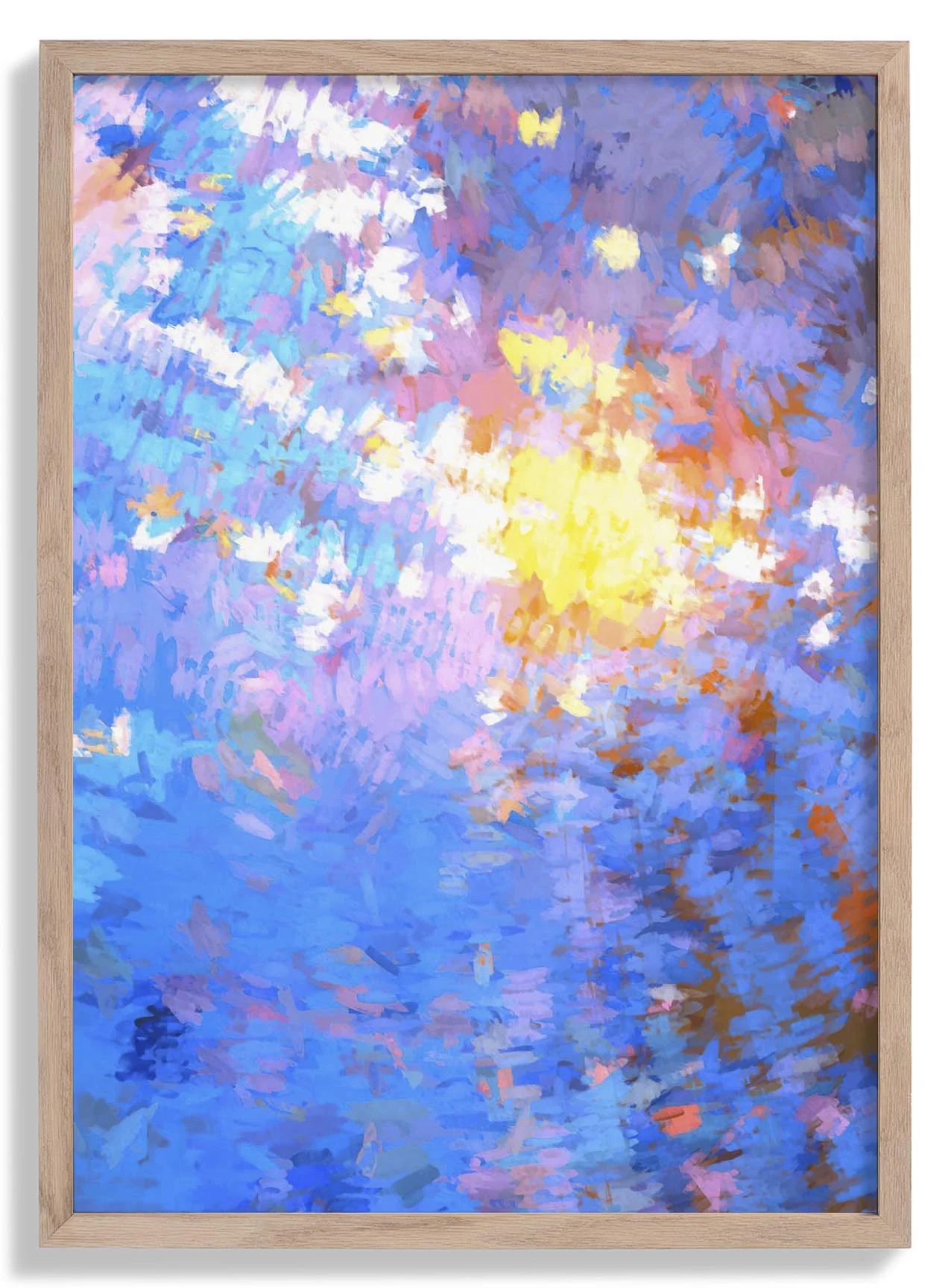
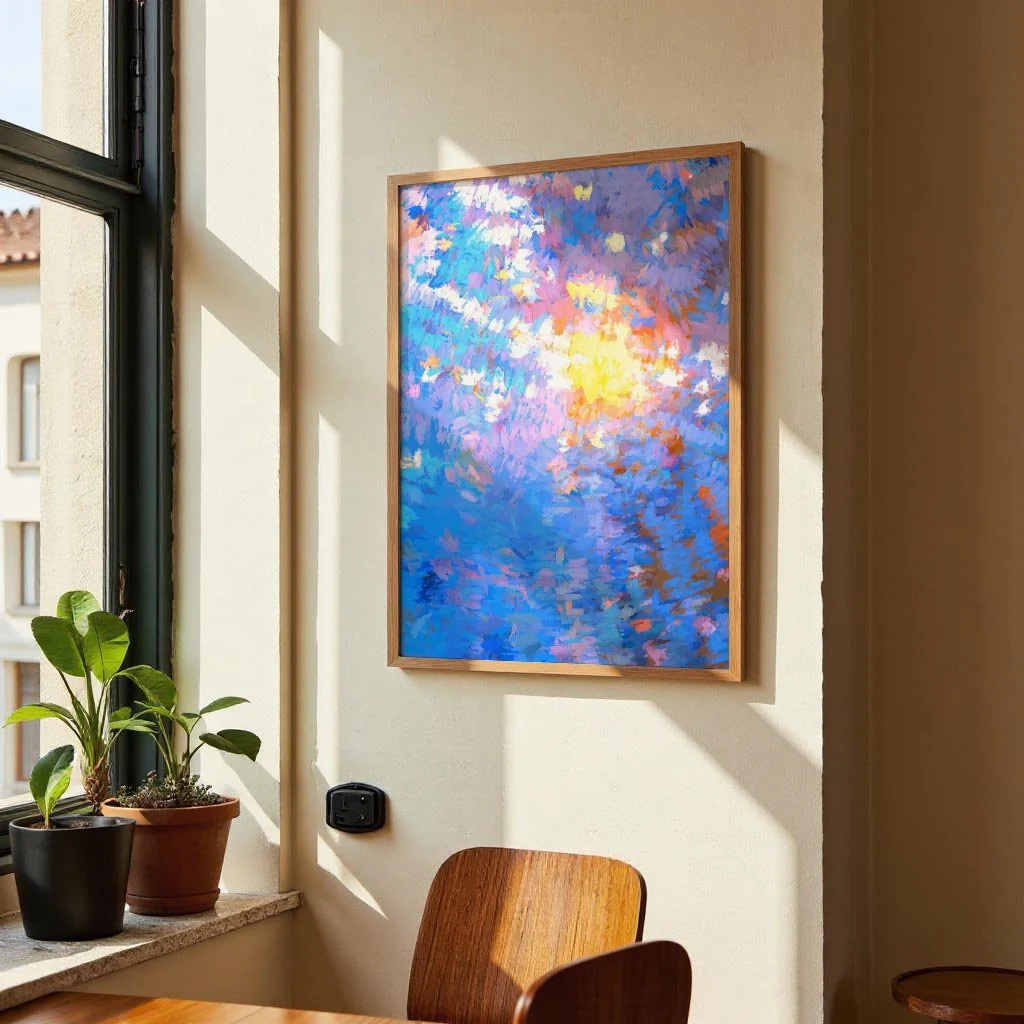
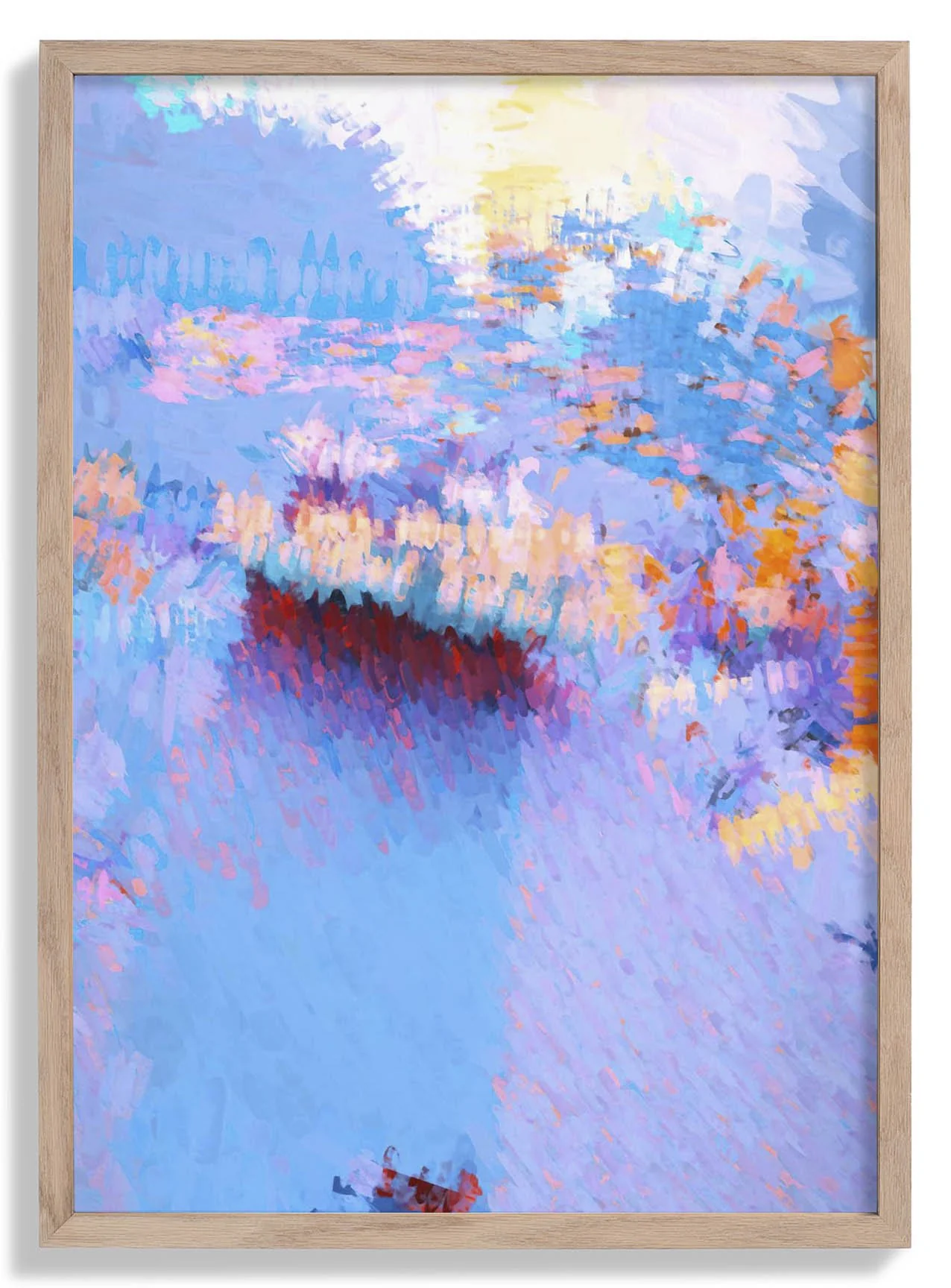
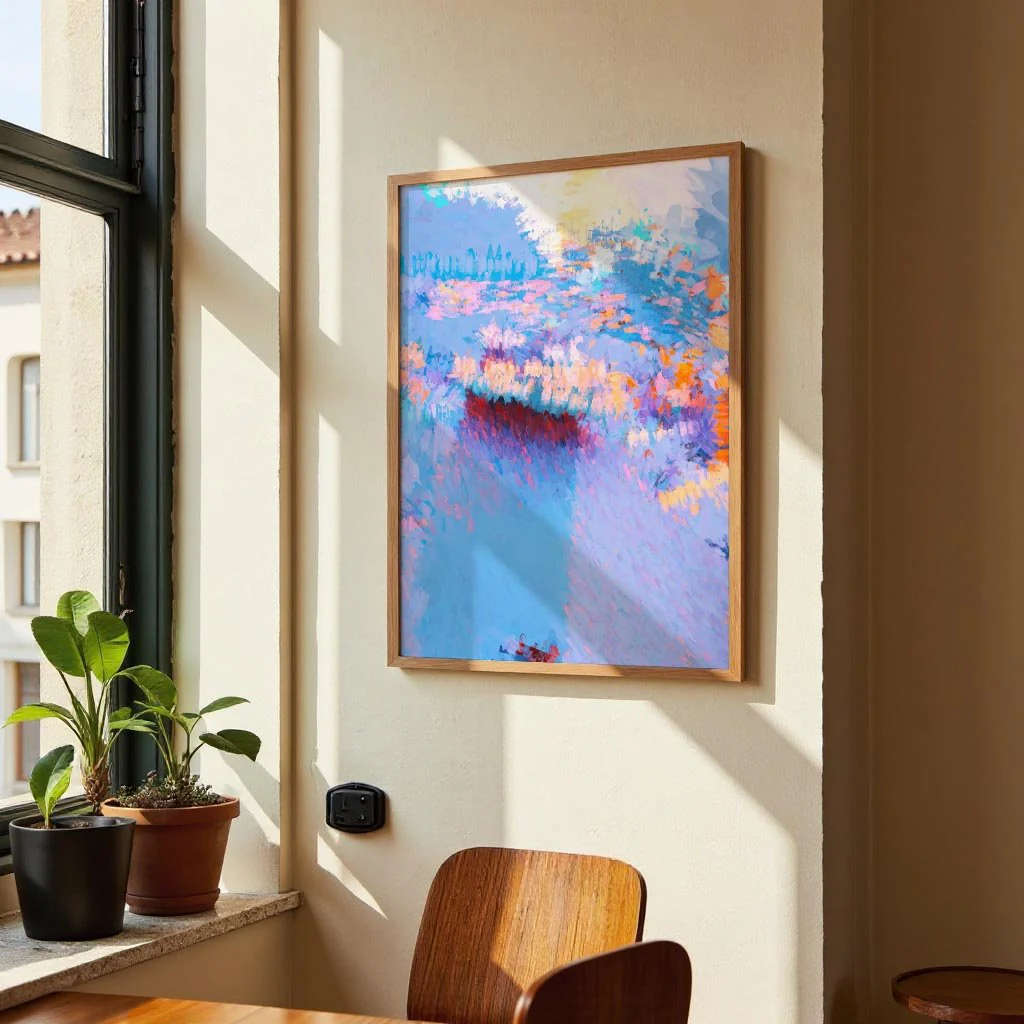
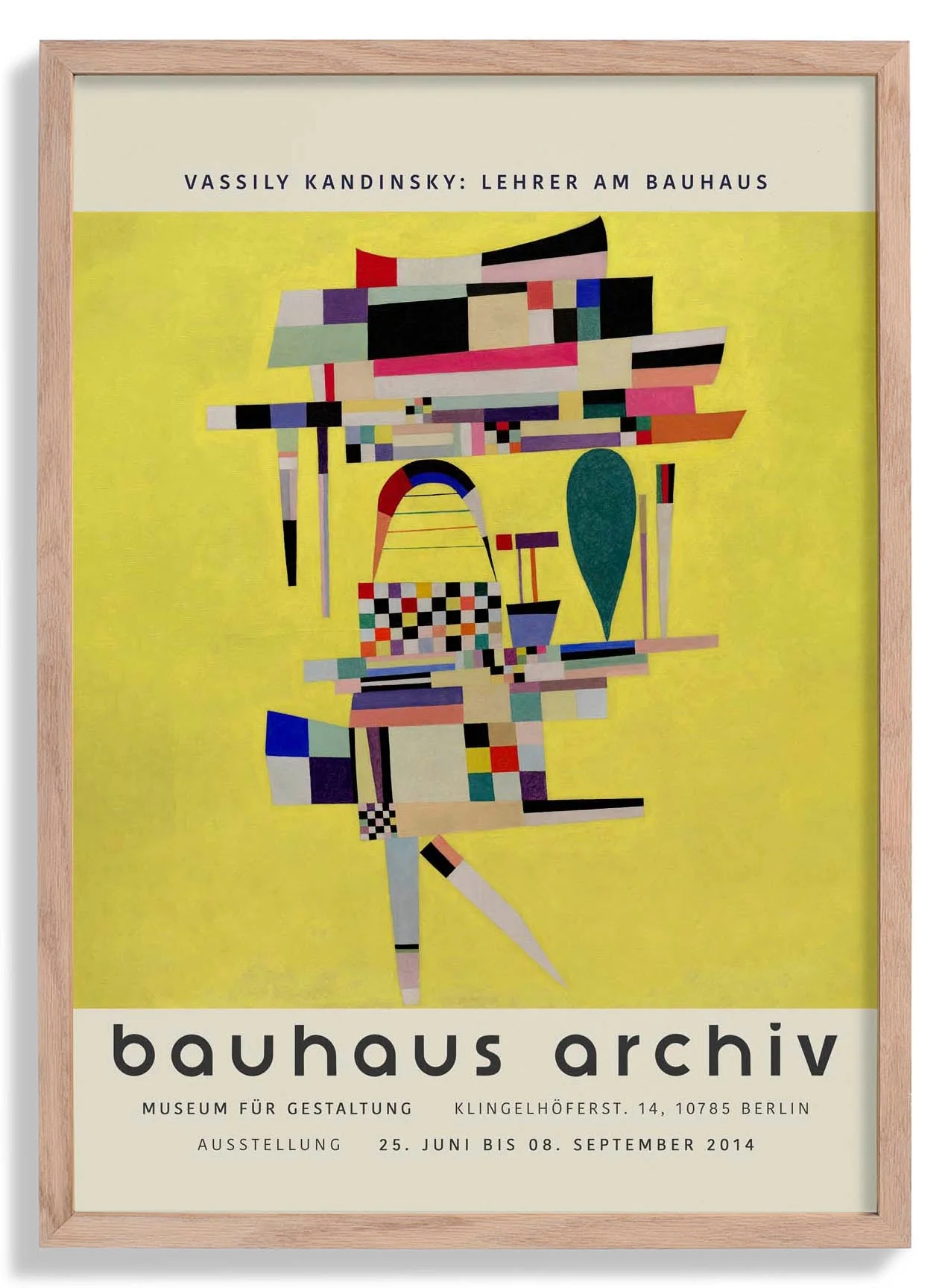
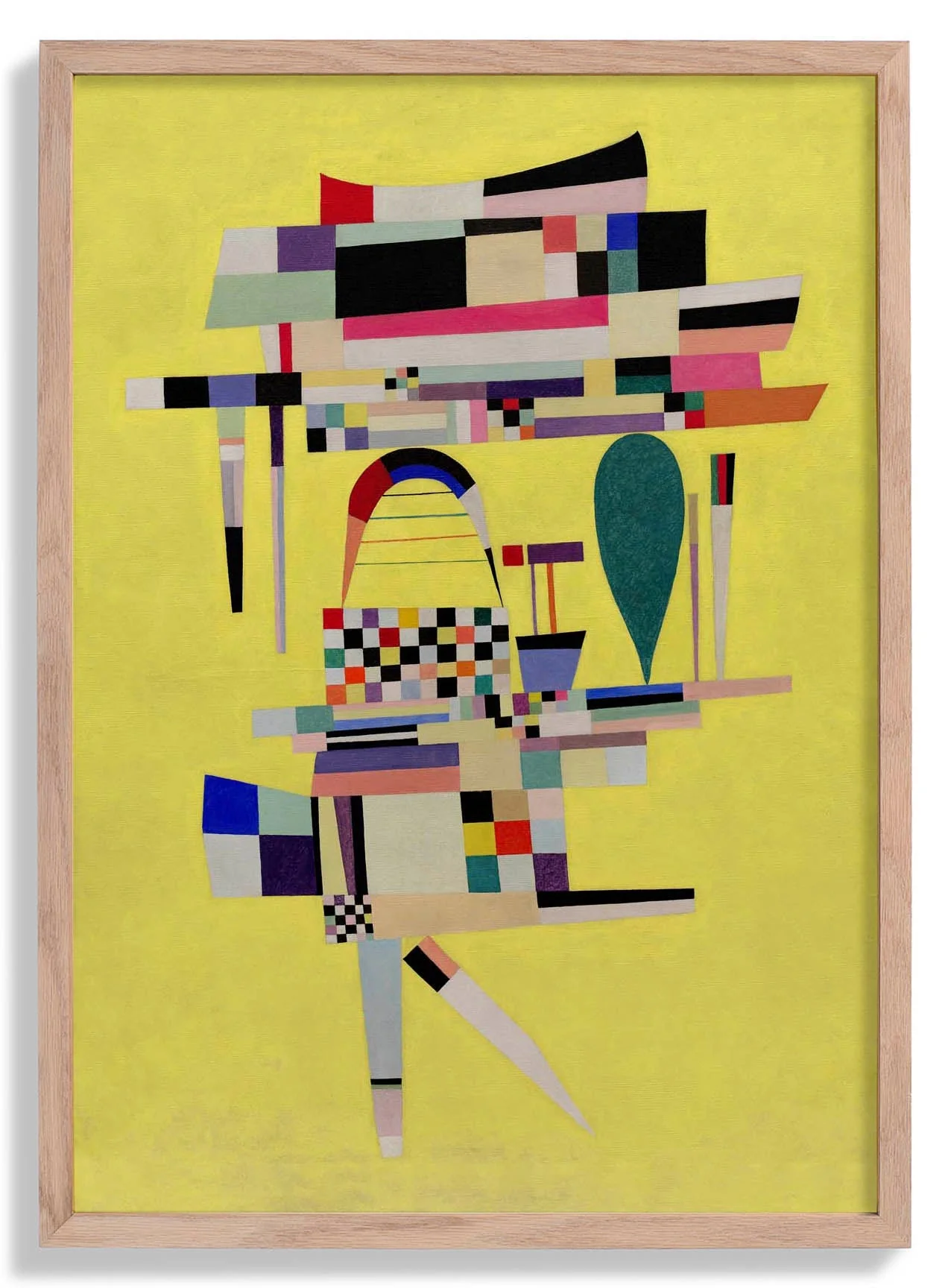
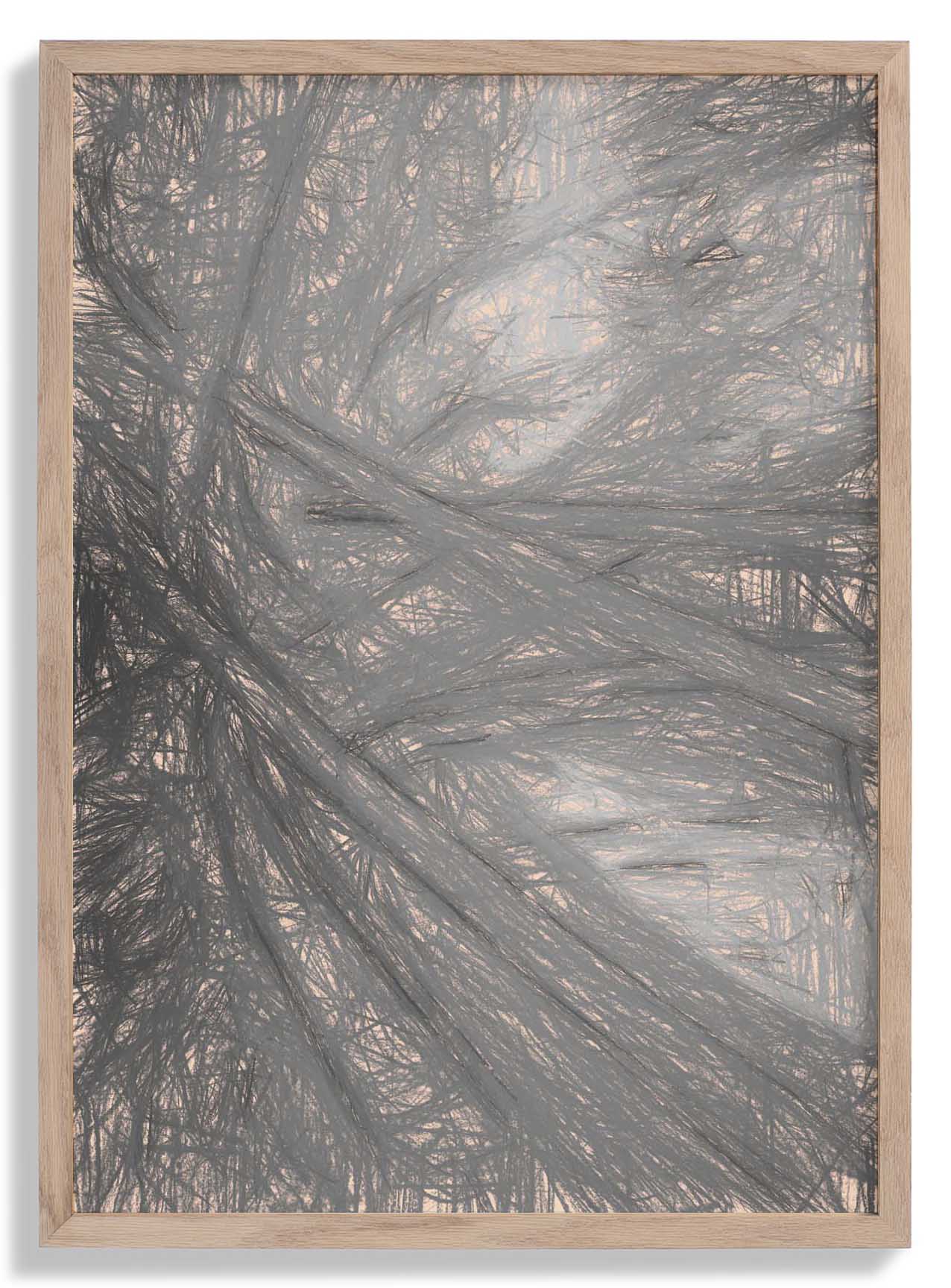
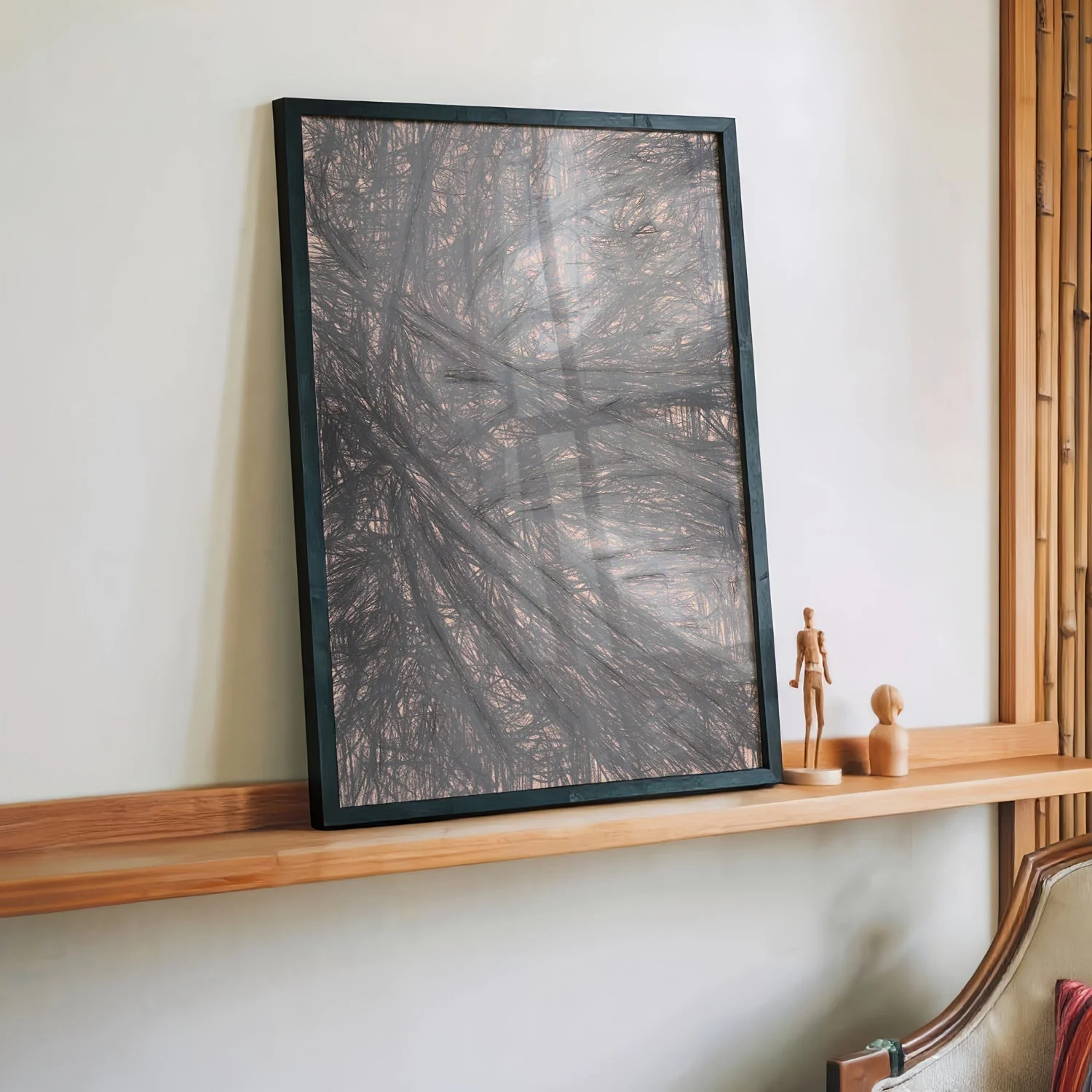
Three Sounds belongs to the period when Kandinsky was codifying his theories of visual music — the idea that form and colour could produce purely emotional resonance, as notes do. Three distinct chromatic and geometric motifs interact across the picture plane, each with its own visual weight and pitch. The arrangement is neither random nor decorative: it follows an internal logic rooted in Kandinsky's Bauhaus thinking, where structure and feeling are inseparable. The result is abstract painting that genuinely rewards sustained attention.
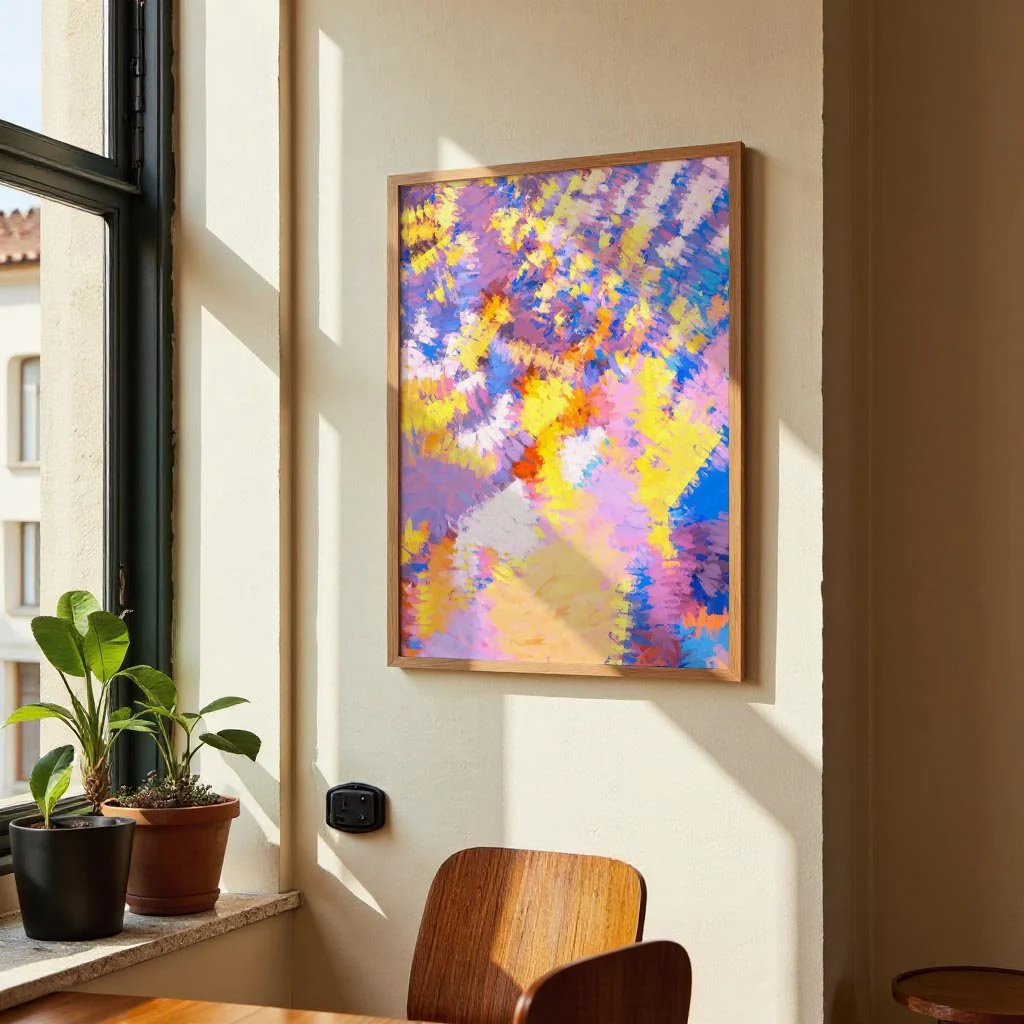
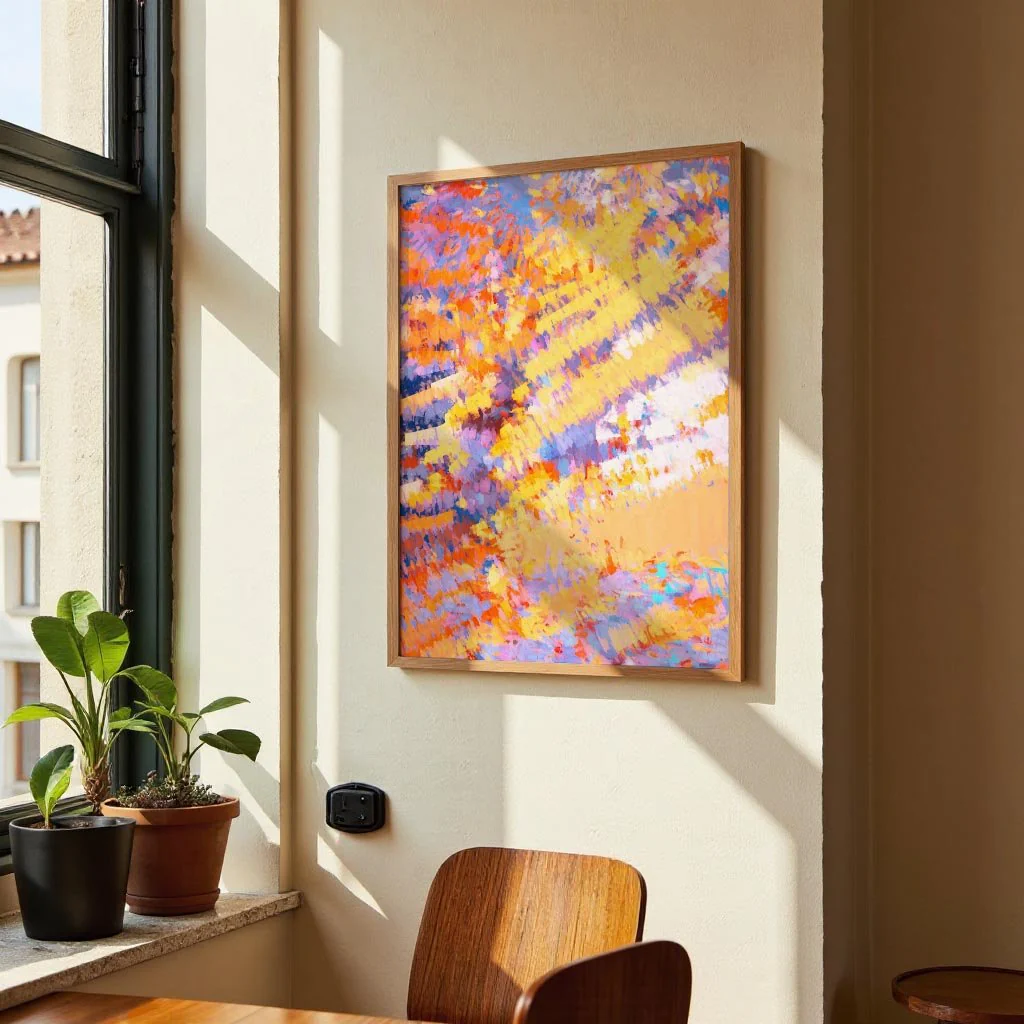
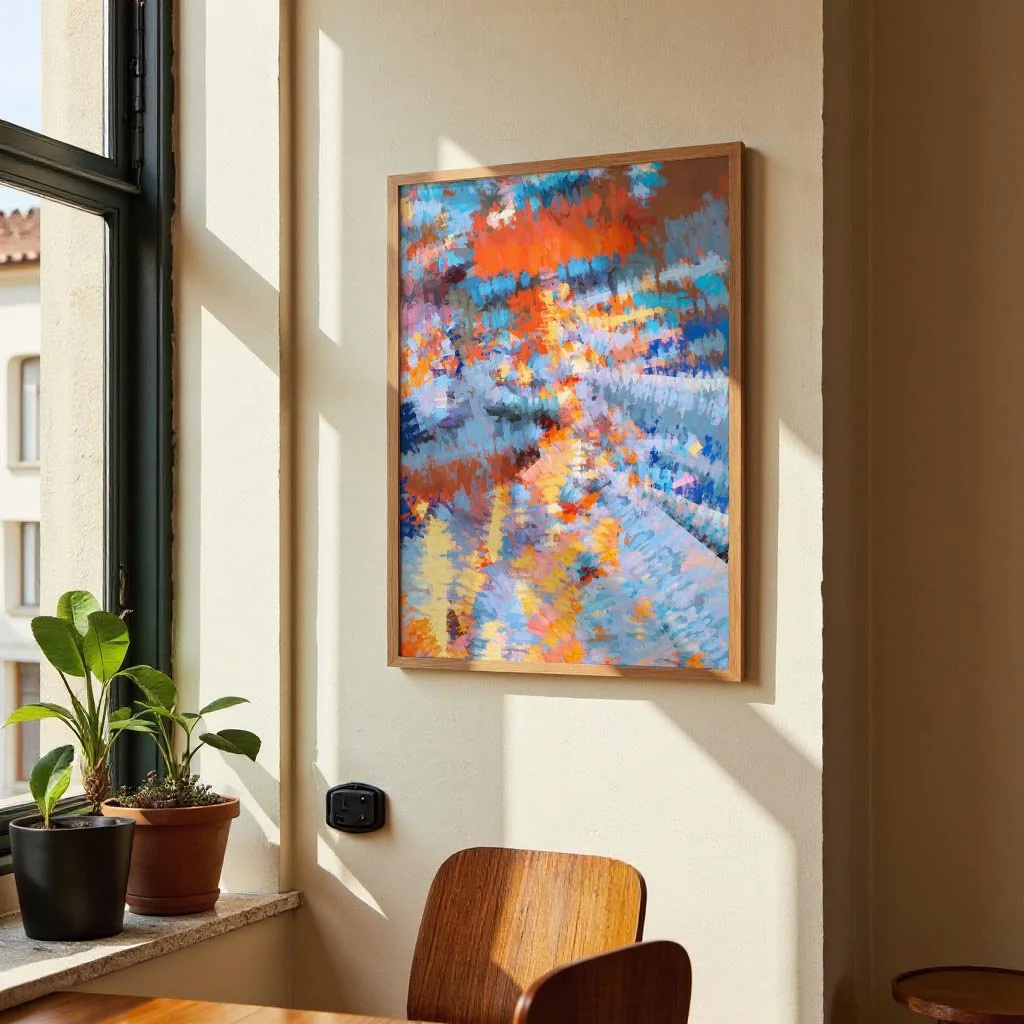
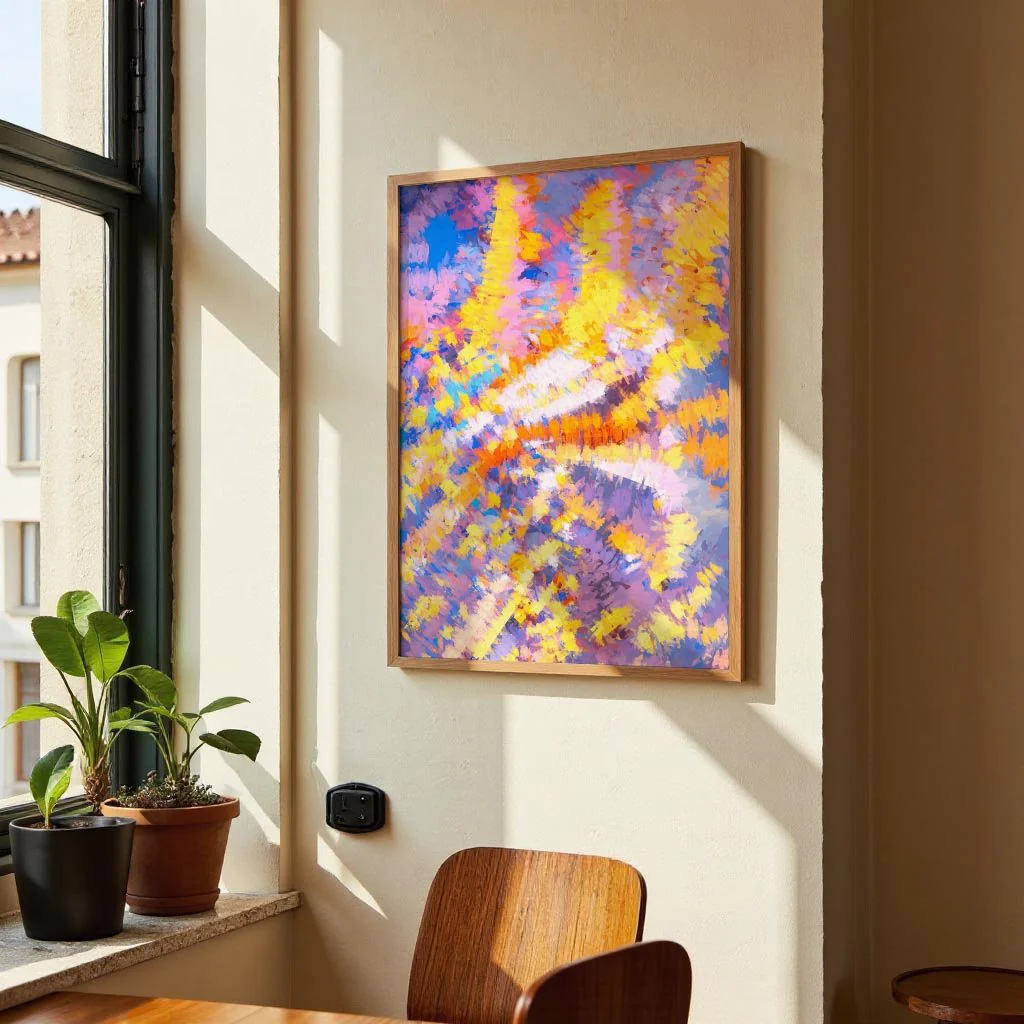
On canvas, the geometric clarity of Three Sounds gains a surface warmth that flat printing cannot achieve. The texture enriches the interplay between Kandinsky's precise forms and atmospheric colour grounds — a canvas art print that rewards close looking as much as it commands from a distance.
Three Sounds belongs to the period when Kandinsky was codifying his theories of visual music — the idea that form and colour could produce purely emotional resonance, as notes do. Three distinct chromatic and geometric motifs interact across the picture plane, each with its own visual weight and pitch. The arrangement is neither random nor decorative: it follows an internal logic rooted in Kandinsky's Bauhaus thinking, where structure and feeling are inseparable. The result is abstract painting that genuinely rewards sustained attention.
On canvas, the geometric clarity of Three Sounds gains a surface warmth that flat printing cannot achieve. The texture enriches the interplay between Kandinsky's precise forms and atmospheric colour grounds — a canvas art print that rewards close looking as much as it commands from a distance.
Original: $38.84
-65%$38.84
$13.59Description
Three Sounds belongs to the period when Kandinsky was codifying his theories of visual music — the idea that form and colour could produce purely emotional resonance, as notes do. Three distinct chromatic and geometric motifs interact across the picture plane, each with its own visual weight and pitch. The arrangement is neither random nor decorative: it follows an internal logic rooted in Kandinsky's Bauhaus thinking, where structure and feeling are inseparable. The result is abstract painting that genuinely rewards sustained attention.
On canvas, the geometric clarity of Three Sounds gains a surface warmth that flat printing cannot achieve. The texture enriches the interplay between Kandinsky's precise forms and atmospheric colour grounds — a canvas art print that rewards close looking as much as it commands from a distance.